Understanding Maintenance Visits After Periodontal Treatment
@simoncsrr502
October 30, 2026 · 15 min read
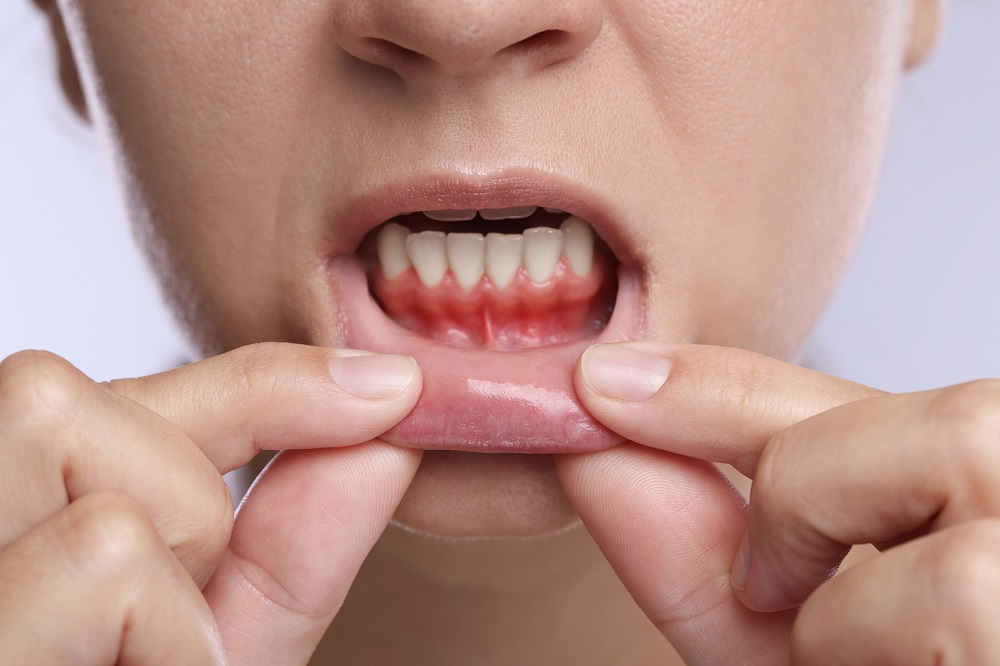

Periodontal treatment does not end when the deep cleaning is finished, the surgery heals, or the inflammation settles down. That is often the point when the real long-term work begins. Patients are sometimes surprised by this. They feel better, their gums bleed less, their breath improves, and the discomfort that pushed them into the dental chair starts to fade. It is easy to assume the problem has been fixed in the same way a cavity is fixed. Periodontal disease does not behave that way.
The tissues that support the teeth live in a constant negotiation with bacterial plaque, personal habits, medical conditions, and time. Once someone has needed periodontal treatment, whether non-surgical scaling and root planing or more advanced therapy, they carry a higher risk of recurrence than someone who has never had the disease. Maintenance visits exist to manage that risk before it turns into new attachment loss, mobility, or tooth loss.
In practice, these visits are less dramatic than treatment, but often more important. They are where small changes get caught early. They are where home care gets refined. They are where a mouth that has already shown vulnerability gets steady, disciplined support.
Why maintenance is different from a regular cleaning
A common misunderstanding is that periodontal maintenance is just another name for a routine prophylaxis. It is not. A regular cleaning is designed for patients with generally healthy gums or mild gingivitis. Periodontal maintenance is tailored for patients with a history of periodontitis, bone loss, pocketing, or periodontal treatment.
That distinction matters because the biological goal is different. In a routine cleaning, the emphasis is on removing plaque and calculus from areas that are generally easy to access and maintaining health that is already present. In a maintenance visit after periodontal treatment, the clinician is watching for disease recurrence in a mouth that has already demonstrated it can break down. That means a closer look at pocket depths, bleeding points, inflamed sites, furcation areas, recession, mobility, and plaque retention patterns. It also means cleaning below the gumline where recolonization happens quickly.
Patients often tell me, "My teeth feel clean, so I thought I could stretch it a bit." The trouble is that periodontitis can return quietly. Pain is a poor guide. Bleeding is useful, but not every active site announces itself dramatically. A maintenance interval is not set because someone likes frequent appointments. It is set because bacterial repopulation, tissue response, and individual risk factors follow patterns that have been studied and seen repeatedly in clinical care.
What happens after active periodontal treatment
When active periodontal treatment is completed, the gums usually look and feel better fairly quickly. Puffiness goes down. Bleeding often drops within days or weeks if home care is solid. Pocket depths may reduce as inflammation resolves and the tissue tightens. Many patients are encouraged by this, and rightly so.
Still, a few important realities remain. The support that was lost does not usually grow back on its own in a complete or predictable way. Root surfaces that were once covered may remain exposed, which can increase sensitivity and create new plaque traps. Deep anatomical grooves, old restorations, crowding, and bite forces can continue to complicate hygiene. If someone smokes, has diabetes, clenches heavily, or takes medications that reduce salivary flow, the environment stays less forgiving.
This is why the period after treatment is best viewed as a maintenance phase rather than a cure phase. The disease has been controlled, not erased from history. The tissues need surveillance, and the patient needs a realistic plan that fits daily life.
The purpose of a maintenance visit
A strong maintenance visit does several jobs at once. It removes new bacterial buildup, reassesses the stability of the periodontal tissues, and checks whether the current home care routine still matches the mouth’s needs. It also creates a regular checkpoint for factors that drift over time. A crown margin that was acceptable two years ago may now catch plaque. Arthritis may make flossing harder. A changed work schedule may mean a patient skips evening brushing more often than they realize.
The appointment is also a chance to see whether previous treatment has held. A six-millimeter pocket that drops to four and stays there with no bleeding is a different situation from a site that rebounds to six with suppuration or tenderness. The numbers matter, but the pattern matters more. One isolated bleeding point is not the same as generalized inflammation. A stable patient can still have occasional challenge areas. The role of maintenance is to separate manageable irritation from meaningful relapse.
In many offices, the hygienist or periodontist develops a long memory of the patient’s mouth. That may sound ordinary, but it is clinically valuable. You begin to recognize recurring trouble spots, which side the patient misses when rushed, how they respond to a change in brush type, and whether a newly placed bridge is helping or hurting the periodontal picture. That kind of continuity is one reason these visits are worth keeping.
How often are maintenance visits needed?
Three months is the interval many people hear first, and for good reason. It is a common starting point after periodontal treatment because it aligns reasonably well with the timeline of bacterial recolonization and allows problems to be addressed before they deepen. But three months is not a universal law.
Some patients remain on a three-month schedule for years because their risk profile stays high. Others eventually move to four months, and occasionally a carefully selected patient can tolerate a longer interval. The decision should be based on clinical findings, not convenience alone.
A patient with excellent plaque control, shallow stable pockets, no bleeding, no smoking history, and good metabolic control of diabetes may do very well on a slightly extended interval. A patient with residual deep pockets, inconsistent home care, smoking, dry mouth, or a history of rapid breakdown may need to stay closer to three months, sometimes even with targeted reevaluations in between.
The mistake I see most often is not that patients miss one visit. Life happens. The bigger issue is the mindset that if the gums are not hurting, the interval does not matter. Six months can become nine, then fourteen. Once that happens, the maintenance system stops functioning as prevention and turns back into rescue care.
What the clinician is looking for at each visit
A maintenance appointment may seem repetitive from the patient’s side, but clinically it is an ongoing comparison between past and present. The team is looking for signs that the disease is quiet, and signs that it is starting to stir again.
Typical elements include:
- Probing and tissue assessment, including pocket depths, bleeding, recession, and mobility
- Removal of plaque, calculus, and biofilm above and below the gumline
- Review of home care, with adjustments based on where buildup or inflammation is returning
- Evaluation of restorations, bite stress, implants, and other factors that affect periodontal stability
- Radiographs when indicated, especially if there are changes that cannot be explained by visual exam alone
Not every maintenance visit feels identical. One patient may need extra attention around lower front teeth where calculus returns fast. Another may struggle more around implants or bridgework. Someone who had flap surgery last year may need careful monitoring of a few residual pockets. The visit should reflect the patient’s actual periodontal condition, not a one-size-fits-all template.
The importance of measuring pockets over time
Patients sometimes wonder why probing matters if the gums are not bleeding much. Pocket measurements are not perfect, but they are one of the few practical ways to track changes in periodontal support over time. A four-millimeter pocket is not automatically dangerous, and a deeper site is not automatically doomed. Context matters. Is it bleeding? Has it changed since the last visit? Is there calculus present? Is there a furcation involved? Is the patient able to clean the area at home?
A stable five-millimeter site that has remained unchanged for years in a conscientious patient may simply need close monitoring. A site that goes from four to six millimeters with bleeding over two visits deserves more concern, even if the patient says it feels fine. The same is true of isolated deeper measurements around molars. Those areas often hide recurrence longer than front teeth do because roots are more complex and access is harder.
Good maintenance uses numbers as a trend line, not a scare tactic.
Why home care still makes or breaks the outcome
There is no way around this point. Even excellent periodontal maintenance cannot compensate for ineffective daily plaque control. Professional visits interrupt disease activity, but home care determines what happens in the weeks between them.
The most successful patients are rarely the ones with the fanciest products. They are the ones who consistently remove plaque in the areas their mouth tends to miss. Sometimes that means a power brush with a small head. Sometimes it means interdental brushes instead of floss. Sometimes it means a water flosser because the patient has fixed bridgework and will actually use it. Technique matters, but adherence matters more.
This is where individualized instruction earns its keep. Telling every patient to floss more is not especially useful. A patient with wide embrasures after periodontal treatment may clean better with interdental brushes than traditional floss. A patient with tight lower front contacts and early recession may need a gentler approach. Someone with hand limitations may need larger handles or modified grips. Small changes in tools often lead to major changes in tissue response.
I remember a patient in his late fifties who kept returning with inflamed upper molar sites despite being diligent in every other area. The issue was not motivation. It was access. He had a pronounced cheek tension pattern and a brush head that was too bulky. A smaller electric brush head and a narrow interdental brush changed the picture within one recall interval. Bleeding dropped sharply, and the pocket readings stabilized. That kind of correction only happens when maintenance includes problem-solving, not just instrumentation.
Residual pockets and the gray areas of care
Not every mouth reaches textbook perfection after periodontal treatment. Some patients finish active therapy with residual pockets, root concavities, or furcation involvements that remain difficult to clean but are still manageable. This is where judgment matters.
A patient may have one or two six-millimeter molar sites that are dry, not bleeding, and radiographically stable. If those sites have stayed unchanged, if the patient cleans them effectively, and if there is no suppuration or progressive bone loss, careful maintenance may be entirely appropriate. On the other hand, if those same sites bleed repeatedly, trap calculus, and show gradual change, retreatment should be discussed.
The maintenance phase often involves these nuanced decisions. More treatment is not always better. Less treatment is not always safer. The right course depends on stability, symptoms, risk factors, and the likelihood that an intervention will produce a meaningful gain.
Implants need maintenance too
One reason maintenance visits have become even more important is the growing number of patients with implants placed after tooth loss from periodontal disease. An implant is not immune to plaque-induced inflammation. In fact, patients with a history of periodontitis may be more susceptible to peri-implant problems if maintenance slips.
The tissue around implants behaves differently from tissue around natural teeth, and bone loss around implants can be frustratingly silent in its early stages. That means professional monitoring is essential. Bleeding, pocketing, prosthetic design, access for cleaning, and radiographic bone levels all deserve attention.
Patients sometimes think the implant side is the "safe side" because there is no natural tooth root to lose. That can create false confidence. A neglected implant can develop mucositis or peri-implantitis, and once bone loss begins, management becomes more complex and less predictable. Regular maintenance is one of the best protections against that trajectory.
Medical conditions and habits that change the schedule
Periodontal stability does not depend on oral hygiene alone. A patient’s whole health picture can alter risk significantly. Diabetes is one of the clearest examples. When blood glucose is poorly controlled, inflammatory response and healing tend to worsen, and maintenance may need to be more frequent. The relationship runs both ways, since periodontal inflammation can also complicate glycemic control.
Smoking remains another major factor. Smokers often show less obvious bleeding even when disease is active, which can mask trouble. Their tissues may not give the same warning signs seen in non-smokers, and the response to treatment is often less favorable. This is one reason a smoker who "looks okay" still may not be low risk.
Stress, certain autoimmune conditions, osteoporosis medications, cancer therapy, xerostomia, and medications that cause gingival enlargement can all change the maintenance picture. So can life transitions. New parents, shift workers, caregivers, and patients going through prolonged illness often struggle with routines that used to be easy. Good maintenance planning accounts for these seasons rather than pretending every year of adulthood looks the same.
What patients notice, and what they often miss
Patients are usually very good at noticing tenderness, food trapping, or obvious bleeding in one area. They are less likely to notice subtle swelling, gradual recession, or a change in the way a tooth feels under bite pressure until the change is advanced. This gap between what is clinically present and what feels urgent explains much of the value of maintenance.
There are, however, signs between visits that should prompt a call rather than waiting for the next appointment:
- bleeding that starts to happen regularly after having been under control
- a bad taste, swelling, or pimple-like drainage near the gums
- increasing tooth mobility or a new feeling that the bite has changed
- persistent sensitivity in one area, especially near a root surface
- food trapping that suddenly becomes worse around one tooth or restoration
None of these automatically mean major relapse, but they are worth assessing. A loose crown margin, a cracked root, a periodontal abscess, or recurrent pocket inflammation can all begin with symptoms patients describe casually at first.
The emotional side of maintenance
There is a psychological layer to periodontal maintenance that does not get discussed enough. Some patients feel shame because they need more frequent visits than a spouse or friend. Others hear the word "maintenance" and assume it means their mouth is permanently failing. Neither impression is fair.
The better way to frame it is this: maintenance is a sign that the disease has been taken seriously enough to monitor properly. It is not punishment. It is structured follow-through. A patient who had high blood pressure controlled with medication and checkups would not be told they failed because monitoring continues. Periodontal disease deserves the same mature view.
There is also relief in routine. Once patients settle into a realistic schedule and understand what the visits accomplish, anxiety often drops. They stop waiting for a crisis. They know someone is tracking the situation, and they can feel the difference between a mouth that is supervised and one that is drifting.
Cost, time, and the temptation to postpone
The practical objections are understandable. Maintenance visits cost money. They require time off work, childcare coordination, transportation, and sometimes insurance battles over coding or frequency. Those burdens are real. But the comparison that matters is not between a maintenance visit and doing nothing. It is between maintenance and the cost of relapse.
When maintenance is delayed long enough for deeper pockets, infection, mobility, or implant inflammation to return, treatment becomes more expensive and more invasive. That may mean repeated scaling and root planing, localized antimicrobial therapy, surgery, extraction, bone grafting, or prosthetic replacement. Even when disease can be brought back under control, the tissue support lost during the lapse may not be recoverable.
Many patients who have gone through retreatment say some version of the same thing afterward: the maintenance appointments they once wanted to postpone were the easy part.
How to get the most out of your visit
The best maintenance appointments are collaborative. If a particular area bleeds when you brush, mention it. If a floss threader is driving you crazy around bridgework, say so. If your hands hurt and home care has slipped, tell the team before they assume you are simply not trying. Periodontal maintenance works better when the conversation is honest.
It also helps to keep expectations practical. Some bleeding points may recur from time to time. Sensitive root surfaces may need ongoing management. A mouth that has had periodontal treatment often requires more adaptation than a mouth that never did. That is normal. The goal is not perfection on every surface, every day. The goal is disease control that holds over time.
The long game
Periodontal care rewards consistency more than intensity. One heroic burst of home care the week before an appointment does not undo months of accumulation. A single excellent maintenance visit cannot stabilize a mouth that is neglected the rest of the year. The gains come from repetition, from small corrections made early, and from respecting the chronic nature of the disease.
That is why maintenance visits after periodontal treatment deserve more attention than they usually get. They are where treatment success is defended. They are where relapse is often prevented. They are where patients keep the teeth, bone, and comfort they worked hard to preserve in the first place.
For many people, the most important appointment in periodontal care is not the dramatic first treatment visit. It is the steady appointment three or four months later, and the one after that, and the one after that, when nothing seems urgent but everything important is https://angelokpai906.yousher.com/how-periodontal-treatment-can-save-your-teeth-and-smile being protected.
Avra Dental
Address: 1708 S Victoria Ave B, Ventura, CA 93003
Phone number: (805) 941-1001
FAQ About Periodontal Treatment
Can a dentist get rid of periodontal disease?
A dentist or gum specialist (periodontist) cannot fully cure or reverse advanced periodontal disease (periodontitis), but they can successfully stop its progression and manage the infection.
Is periodontitis very serious?
Yes, periodontitis is a very serious, advanced form of gum disease that destroys the bone and tissues supporting your teeth.
How is stage 2 periodontal disease treated?
Stage 2 periodontal disease (early to moderate periodontitis) is primarily treated with non-surgical deep cleaning procedures like scaling and root planing to remove bacteria and tartar below the gumline.