Periodontal Treatment Ventura: Restoring Gum Health Naturally and Clinically
@simoncsrr502
October 2, 2026 · 14 min read
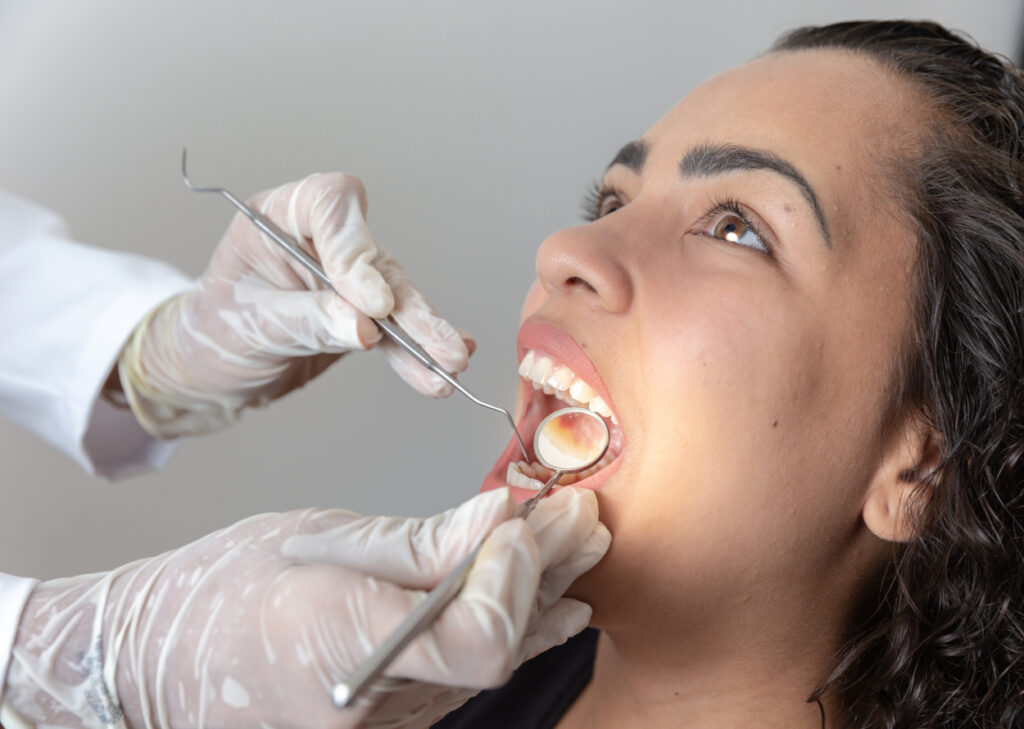
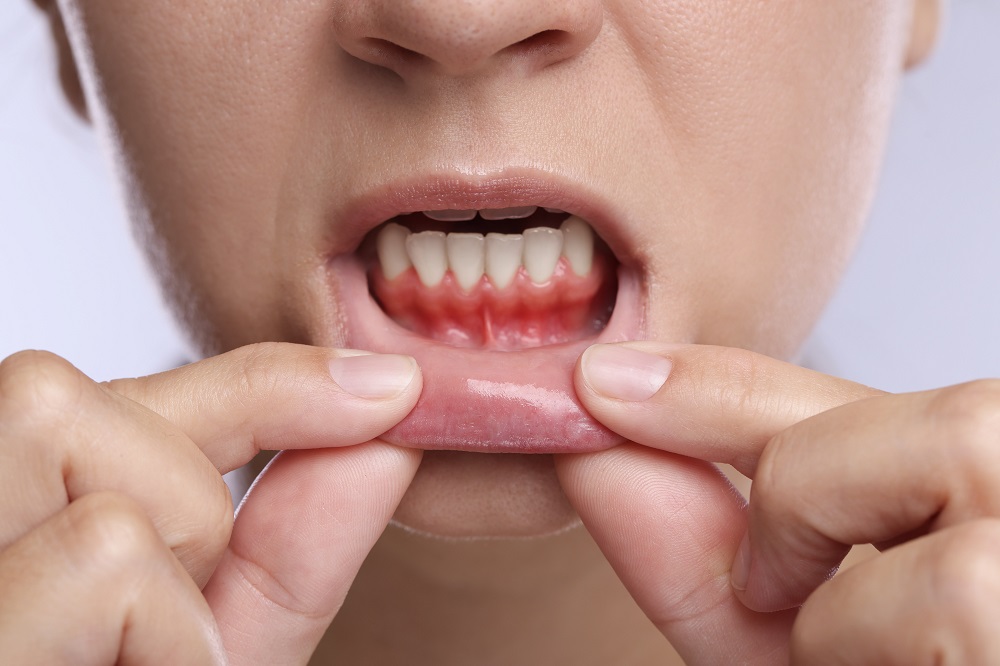
Healthy gums do quiet work. They seal out bacteria, support the teeth, protect bone, and make chewing feel effortless. Most people notice them only when something starts to go wrong, a little bleeding when brushing, tenderness near the back molars, persistent bad breath, or teeth that suddenly seem longer than they used to. Those signs can look minor at first. In practice, they often mark the early stages of periodontal disease, and that is where timely care matters most.
When patients ask about periodontal treatment Ventura, they are usually asking two questions at once. First, can gum disease be stopped? Second, can it be done in a way that respects both modern dental science and the body’s own healing capacity? The answer to both is yes, with one important condition: treatment has to match the severity of the problem. A warm saltwater rinse and better brushing can help irritated gums. They cannot reverse deep infection under the gumline or rebuild bone already lost around a tooth. Knowing the difference is what prevents a manageable issue from turning into a more expensive and more complex one.
Ventura’s coastal climate, active lifestyle, and broad mix of families, retirees, and working professionals all shape how gum disease shows up in real life. Some people have years of buildup hidden below the gums despite looking generally healthy. Others are meticulous brushers but grind their teeth, breathe through the mouth at night, or manage diabetes, all of which influence gum health. Periodontal care is never one-size-fits-all. It works best when it blends careful diagnosis, practical daily habits, and treatment that is as conservative as possible without being incomplete.
What periodontal disease actually is
Periodontal disease is an infection and inflammatory condition that affects the tissues supporting the teeth. It begins with bacterial plaque, a sticky film that constantly forms on tooth surfaces. If plaque is not removed thoroughly, it hardens into calculus, often called tartar, especially near the gumline and between teeth. The body reacts to that bacterial load with inflammation. Gums may become red, puffy, and prone to bleeding. That early stage is gingivitis, and it is usually reversible.
The more serious stage is periodontitis. At that point, inflammation is no longer confined to the surface gum tissue. The attachment between the tooth and gum starts to break down, forming pockets where bacteria thrive beyond the reach of a toothbrush. Bone can slowly recede. Teeth may loosen, shift, or become more sensitive. This is where people sometimes feel confused. They do not always have pain. In fact, periodontal disease can progress quietly for years. A person may feel fine while the supporting structures are steadily being damaged.
That is why gum measurements matter so much. In a periodontal exam, a clinician measures the depth of the space between the gum and the tooth, checks for bleeding, looks for recession, mobility, plaque retention areas, and signs of bone loss on radiographs. Those details tell a more accurate story than symptoms alone.
Why gum disease deserves serious attention
People often think of gum problems as separate from overall health, but the mouth does not operate in isolation. Chronic inflammation in the gums can complicate diabetes management, and poorly controlled diabetes can worsen periodontal disease in return. Smokers and former smokers typically show a different pattern of gum breakdown. Pregnancy, certain medications, autoimmune conditions, dry mouth, and stress can all change the picture.
Then there is the mechanical side. Teeth with reduced bone support take forces differently. A patient who clenches heavily may damage compromised teeth more quickly than someone with a relaxed bite. I have seen cases where the first thing a person notices is not bleeding gums but a new space between front teeth or a crown that keeps coming loose because the tooth underneath has lost stability. Gum health is the foundation. When it weakens, many other dental problems become harder to manage.
Early signs patients in Ventura often overlook
The classic signs are familiar, but they are easy to dismiss because they often come and go. Many people assume bleeding while flossing means they flossed too hard. More often, the bleeding means inflammation was already there. Another common misconception is that bad breath always comes from the stomach or diet. Persistent odor frequently has an oral source, especially bacteria trapped in periodontal pockets or around poorly cleaned restorations.
A few warning signs deserve attention sooner rather than later:
- Gums bleed regularly during brushing or flossing.
- Breath stays unpleasant despite routine brushing.
- Teeth appear longer because the gums are receding.
- You notice tenderness, swelling, or a pimple-like bump near a tooth.
- Teeth feel loose, shift, or trap food in places they never used to.
None of those signs automatically means severe disease, but they do justify a proper periodontal evaluation. Early treatment is almost always simpler than delayed treatment.
What causes periodontal problems, beyond just poor brushing
Plaque is the trigger, but the full story is more nuanced. Some patients with decent home care still develop periodontitis because they have deep grooves, crowded teeth, old fillings with overhanging edges, or a genetic tendency toward stronger inflammatory responses. Others have a dry mouth from medications, which reduces the cleansing and buffering benefits of saliva. Smokers may show less obvious bleeding even while the disease advances, which can create a false sense of security.
The patients who tend to struggle most are not always the ones who are careless. Often they are the ones juggling multiple factors at once: a stressful season, skipped cleanings, nighttime grinding, and inconsistent flossing around back teeth where deposits build fastest. Good periodontal care acknowledges that reality. Shame is not treatment. Clear guidance and follow-through are.
Natural support has a place, but it has limits
Many patients in Ventura prefer conservative, low-toxicity approaches whenever possible. That instinct makes sense. The mouth responds well to steady, disciplined home care, and healthy habits absolutely improve outcomes. Better brushing technique, daily interdental cleaning, adequate hydration, reduced sugar frequency, smoking cessation, and management of blood sugar all support gum healing. Warm saltwater rinses can soothe irritated tissue. Some antimicrobial rinses, whether prescription or over-the-counter, can reduce bacterial levels for a period of time. An electric toothbrush often helps patients remove more plaque with less guesswork.
Still, natural support works best as part of a larger plan, not as a substitute for needed treatment. Once tartar is firmly attached below the gums, no rinse, probiotic, or herbal product can remove it. Once a pocket is deep enough to shelter bacterial colonies under the tissue, brushing the visible tooth surface will not reach the source of the problem. This is where honest communication matters. There is a difference between supporting healing and postponing necessary care.
The clinical side of periodontal treatment Ventura patients should expect
A thorough periodontal assessment usually begins with measurements, imaging, and a review of medical history and habits. Treatment depends on what those findings show. Mild gingivitis may improve with professional cleaning, better home care, and a short-interval follow-up. Established periodontitis typically requires scaling and root planing, often called deep cleaning. This procedure removes plaque and tartar from above and below the gumline and smooths root surfaces so the tissues can heal more effectively.
In practical terms, scaling and root planing is not the same as a regular cleaning. It is more targeted and often done by quadrant, with local anesthesia for comfort. After treatment, patients may notice tenderness, temporary sensitivity, and a cleaner feel around the teeth. Over the next several weeks, the goal is reduced bleeding, shallower pockets, and firmer tissue. Some cases respond well enough at this stage that surgery is not needed. Others, especially those with deep isolated defects or furcation involvement around molars, may need additional therapy.
That next phase can include localized antibiotics, laser-assisted treatment in select practices, or periodontal surgery to gain access for debridement, reduce deep pockets, or regenerate lost support where anatomy allows. Not every site is a candidate for regeneration. The shape of the defect, the amount of remaining bone, and the patient’s hygiene and health habits all influence whether grafting is likely to help.
A realistic sequence often looks like this:
- Diagnose the extent of inflammation, pocketing, recession, and bone loss.
- Control bacterial buildup with scaling and root planing plus improved home care.
- Reevaluate healing after several weeks, comparing bleeding and pocket depth.
- Treat any remaining deep or unstable areas with more advanced periodontal therapy.
- Maintain the result with periodontal cleanings at intervals tailored to risk.
That maintenance phase is where long-term success lives. Gum disease is often controlled, not magically erased forever. If the underlying bacterial burden returns and home care lapses, pockets can become active again.
What deep cleaning can and cannot do
Patients are sometimes told they “just need a deep cleaning,” which can make the procedure sound routine. It is routine in the sense that periodontists and hygienists perform it often. It is not minor when it is truly indicated. Deep cleaning is the frontline treatment for active periodontitis because it addresses the bacterial deposits under the gums that ordinary cleanings leave untouched.
What it can do is reduce inflammation, decrease pocket depth, remove rough deposits that harbor bacteria, and create a better environment for the gums to reattach as much as they are able. What it cannot do is regrow every bit of lost bone or fully restore gum levels where recession has already occurred. If a patient expects gums to look exactly as they did ten years earlier, disappointment is likely. If the goal is to stop disease, preserve teeth, improve comfort, and stabilize the mouth, deep cleaning is often highly effective.
One practical nuance matters here. When the swelling goes down after treatment, recession can appear more obvious. Patients sometimes think the cleaning caused the recession. In reality, the inflamed tissue had been masking the true contour. This is worth explaining in advance because surprises undermine trust.
When surgery becomes the better option
Some areas simply cannot be maintained well without surgical access. Deep, narrow pockets around molars, defects hidden under the gum, or roots affected by anatomy that traps calculus may continue to break down despite good effort. In those cases, flap surgery allows direct visualization and more complete cleaning of the root surfaces. Regenerative procedures may be https://landenyhon640.evercolumn.com/posts/what-causes-gum-disease-and-how-periodontal-treatment-ventura-helps used when the bone defect pattern is favorable. Soft tissue grafting may be recommended for recession that causes sensitivity, root exposure, or ongoing risk to a tooth’s stability.
Patients often hear the word surgery and assume something extreme is happening. Periodontal surgery is specialized, but in many hands it is methodical, localized, and very manageable with proper anesthesia and aftercare. The larger question is not whether surgery sounds intimidating. It is whether the tooth can be kept healthy and functional without it. Sometimes the most conservative choice in the long run is the treatment that seems more involved upfront.
The role of maintenance, which is where many results are won or lost
After active periodontal therapy, maintenance visits are usually recommended more often than standard six-month cleanings. Three- or four-month intervals are common for higher-risk patients, though timing depends on disease history, pocket depths, smoking, diabetes, dexterity, and how well plaque is being controlled at home.
These visits are not cosmetic touch-ups. They are surveillance and interception. Clinicians recheck bleeding points, pocket changes, plaque retention patterns, and tissue tone. A site that looks stable today may flare by the next recall if a crown margin catches plaque or if a patient had a stressful season and reverted to rushed brushing. Gum disease does not always relapse everywhere at once. It often returns site by site, quietly. Regular maintenance catches that.
I have seen patients save borderline teeth for many years with nothing glamorous involved, just disciplined maintenance, excellent home care, and good judgment about when to intervene. I have also seen beautifully treated cases fail because once the immediate symptoms disappeared, the maintenance plan faded away. The difference is rarely luck.
Home care that genuinely helps between visits
Technique matters more than force. Aggressive scrubbing tends to miss the gumline while wearing away enamel and irritating tissue. A soft brush angled gently toward the gum margin usually does more good than a hard brush used with enthusiasm. Floss works well when it wraps the tooth rather than snapping past the contact. For patients with larger spaces, bridges, or periodontal history, interdental brushes or water flossers can be especially helpful.
Consistency beats perfection. Two careful minutes twice a day, plus some form of interdental cleaning once a day, is more valuable than heroic effort one night and neglect the next three. Patients with arthritis, limited dexterity, or crowded lower front teeth often do better when home care is simplified rather than idealized. The right tool is the one the patient will actually use correctly every day.
Diet plays a supporting role too. Frequent sugar exposure feeds the oral biofilm and shifts the environment toward more harmful bacterial behavior. That does not mean people must eat with ascetic discipline. It means grazing on sweet drinks, candies, or refined snacks all day is harder on the mouth than enjoying them less often with meals.
What Ventura patients should ask before starting treatment
Not all gum conditions are the same, and treatment should not feel vague. Patients deserve to understand the severity of their disease, which teeth or areas are most affected, and what measurable outcome the clinician is aiming for. If a provider recommends scaling and root planing, it is reasonable to ask how deep the pockets are, whether bone loss is visible, what reevaluation will involve, and what maintenance interval is expected afterward.
It is also fair to ask where natural support fits. A thoughtful clinician should be able to distinguish between beneficial habits, such as improved home care and smoking cessation, and unsupported promises that a rinse or supplement will solve advanced disease. The best periodontal treatment Ventura patients receive usually combines both clarity and restraint. It does what is necessary, no more and no less.
Cost, value, and the price of waiting
People sometimes delay periodontal treatment because the symptoms seem tolerable or the costs feel frustrating. That hesitation is understandable. Yet untreated periodontitis tends to become more expensive, not less. What begins as deep cleaning may later require surgery, root planing retreatment, extractions, implants, grafting, or more complicated restorative work when teeth shift or loosen.
There is also the less visible cost of living with active inflammation. Chewing becomes less comfortable. Breath becomes a source of self-consciousness. Cold sensitivity increases as roots become exposed. Dental work done in an unstable periodontal environment generally has a shorter and less predictable lifespan.
When weighing value, the right comparison is not treatment versus doing nothing. It is treatment now versus more treatment later under worse conditions.
Restoring trust in your gums
For many patients, the emotional side of periodontal treatment is underappreciated. Gum disease can feel discouraging because it often develops gradually, and people blame themselves for not noticing sooner. Others have had a painful dental experience years ago and avoid care until symptoms force the issue. A good periodontal team helps restore confidence as much as tissue health. They explain findings clearly, numb thoroughly, set realistic expectations, and track progress in concrete terms.
Healing is not usually dramatic from one day to the next. It shows up in quieter ways. Bleeding decreases. Breath improves. The gums look firmer and less shiny. Pocket numbers stabilize. Food packs less often between certain teeth. A tooth that felt “off” starts to feel dependable again. Those are meaningful outcomes. They signal that the supporting structures are no longer under constant attack.
Periodontal treatment Ventura residents seek is often about more than cleaning deeper around the teeth. It is about rebuilding a healthy, maintainable environment in the mouth, one that supports function, comfort, and long-term stability. Natural habits have an essential role. Clinical treatment has an essential role too. The art lies in knowing when each is enough and when they need to work together. That is how gum health is restored, not through shortcuts, but through accurate diagnosis, practical care, and steady follow-through.
Avra Dental
Address: 1708 S Victoria Ave B, Ventura, CA 93003
Phone number: (805) 941-1001
FAQ About Periodontal Treatment Ventura
Can a dentist get rid of periodontal disease?
A dentist or gum specialist (periodontist) cannot fully cure or reverse advanced periodontal disease (periodontitis), but they can successfully stop its progression and manage the infection.
Is periodontitis very serious?
Yes, periodontitis is a very serious, advanced form of gum disease that destroys the bone and tissues supporting your teeth.
How is stage 2 periodontal disease treated?
Stage 2 periodontal disease (early to moderate periodontitis) is primarily treated with non-surgical deep cleaning procedures like scaling and root planing to remove bacteria and tartar below the gumline.