Periodontal Treatment for Deep Gum Infections: What to Know
@simoncsrr502
October 30, 2026 · 15 min read

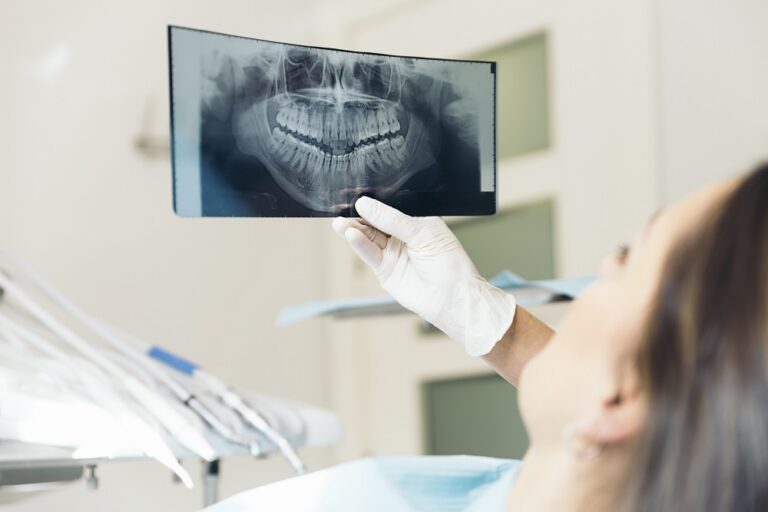

Deep gum infections rarely arrive all at once. Most start quietly, with bleeding during brushing, a little tenderness, maybe a bad taste that comes and goes. Then the gums begin to pull away from the teeth, pockets deepen, chewing feels different, and the problem is no longer minor inflammation. At that point, people are often told they need Periodontal Treatment, and the term can sound bigger and https://manuelgufl775.zenbloomer.com/posts/periodontal-treatment-for-long-standing-gum-disease-problems more alarming than they expected.
What it usually means is straightforward: the tissues and bone supporting the teeth have been damaged by an infection below the gumline, and that infection needs to be controlled before it causes further loss. The exact treatment depends on how far the disease has progressed, how deep the pockets are, whether bone has been lost, and how well a person can maintain the area afterward. Some cases respond well to deep cleaning and close maintenance. Others need surgical access so the roots and defects can be properly treated.
The important thing to understand is that deep gum infection is not just “dirty teeth” or a cosmetic issue. It is a chronic bacterial infection with an inflammatory response that breaks down the attachment around the teeth. Left alone, it tends to worsen in episodes. Some people decline slowly over years. Others go through periods of rapid destruction, especially if smoking, diabetes, dry mouth, stress, or poor home care are part of the picture.
What a deep gum infection actually is
A healthy gumline forms a shallow collar around each tooth. In that state, routine brushing, flossing, and professional cleanings usually keep the bacterial film under control. Once plaque hardens into tartar and extends below the gumline, the environment changes. Bacteria thrive in the protected space under the gum. The body responds with inflammation. Over time, the connective tissue attachment begins to detach, and the bone around the teeth can resorb.
That is when a normal shallow sulcus becomes a periodontal pocket. A pocket is not just a space that “needs cleaning.” It is a sign that attachment has been lost. In a shallow space, a toothbrush and floss can disturb the biofilm reasonably well. In a pocket measuring 5, 6, or 7 millimeters or more, home care alone cannot reach the entire infected root surface. This is where professional periodontal care matters.
Many patients are surprised by how little pain they feel, even with advanced disease. That is common. Periodontal disease often progresses with more bleeding and looseness than pain. By contrast, a tooth abscess tends to be acutely painful. Deep gum infections can be severe while still feeling vague and manageable, which is one reason they are so often ignored until a routine exam or hygiene appointment uncovers the extent of the problem.
Signs that call for prompt evaluation
There is no single symptom that proves advanced periodontal disease, but certain patterns are strong warning signs.
- Gums that bleed easily during brushing, flossing, or eating
- Persistent bad breath or a recurring bad taste in the mouth
- Gum recession, longer-looking teeth, or dark spaces between teeth
- Loose teeth, shifting bite, or pressure when chewing
- Swollen, tender gums or pus near the gumline
Bleeding gums are especially easy to dismiss, but healthy gums do not usually bleed with routine cleaning. Patients often tell me they stopped flossing because it made the gums bleed. In practice, the opposite is often true. The gums bleed because the tissue is inflamed, and gentle, consistent cleaning is part of what helps reverse early inflammation. Once the disease is deeper and attachment has been lost, though, home care is necessary but not sufficient.
How a dentist or periodontist determines the severity
A proper periodontal evaluation goes beyond a quick look. The clinician measures pocket depths around each tooth, usually six points per tooth, checks for bleeding, looks for recession, assesses tooth mobility, and evaluates bone levels on radiographs. These findings together tell the real story.
Pocket depth alone does not define the case. A 5 millimeter pocket with no bleeding and stable bone can behave very differently from a 5 millimeter pocket that bleeds heavily and has angular bone loss. Furcation involvement also matters. Molars, in particular, can develop infection between their roots, where cleaning becomes much more difficult. The shape of the defect, the patient’s age, smoking status, diabetes control, and even the presence of old dental work that traps plaque can influence treatment planning.
It is also important to distinguish chronic periodontitis from other causes of deep pockets or inflammation. A cracked tooth, an overhanging filling, trauma from an unstable bite, certain medications, and endodontic infections can all complicate the picture. Good periodontal care is not just about removing deposits. It involves diagnosis and judgment.
The first line of Periodontal Treatment
For many patients, treatment begins with scaling and root planing, often called deep cleaning. This is not the same as a routine cleaning. A regular prophylaxis targets plaque and light deposits above the gumline in a patient without significant periodontal breakdown. Scaling and root planing is designed to remove plaque, tartar, and bacterial toxins from below the gumline, smoothing the root surfaces so the tissue can heal and reattach as much as possible.
This treatment is usually done under local anesthetic, often by quadrant. If the disease is generalized, that may mean two to four visits. The root surfaces are meticulously cleaned with ultrasonic instruments and hand scalers. The goal is to disrupt the subgingival biofilm and reduce inflammation enough for the tissues to tighten and the pockets to shrink.
Patients often ask whether deep cleaning is painful. During treatment, if anesthesia is effective, it should be manageable. Afterward, there can be soreness, temporary sensitivity to cold, and a feeling that the teeth are more exposed. That last part can be unsettling. When inflamed gums shrink as they heal, recession can become more noticeable. Even so, that change often reflects healthier tissue rather than harm from the procedure itself.
Deep cleaning works best when the disease is moderate, the patient has good home care, and the anatomy is accessible. It is less predictably successful in very deep pockets, in areas with complex root shapes, and in patients who smoke heavily or struggle to keep plaque under control between visits.
Why antibiotics are not a simple fix
Patients frequently hope for a prescription that will clear the infection without extensive cleaning. In periodontal disease, that is rarely enough. The bacteria live in a structured biofilm attached to the root surface and sheltered below the gums. Antibiotics alone do not reliably remove that biofilm. Mechanical disruption is the foundation.
That does not mean antibiotics have no role. In selected cases, local antibiotic agents may be placed directly into pockets after debridement, or systemic antibiotics may be used when aggressive disease patterns, specific bacterial concerns, or acute periodontal abscesses are present. But they are adjuncts, not substitutes.
Overprescribing antibiotics for periodontal disease is poor medicine. It adds risk of side effects, contributes to resistance, and often disappoints because the core problem remains physically attached to the tooth and root surfaces. Patients usually do better when they understand that the infection is organized in a way that requires instrumentation, not just medication.
When surgery becomes the better option
Not every deep pocket can be managed non-surgically. If reevaluation after scaling and root planing shows persistent deep pockets, especially those that still bleed, surgery may be the most effective next step. This is often where periodontal treatment shifts from broad cleaning to targeted correction.
Flap surgery, sometimes called pocket reduction surgery, allows the periodontist to gently reflect the gums and gain direct access to the root surfaces and bone defects. Deposits that were inaccessible during non-surgical treatment can be thoroughly removed, and the tissue can be repositioned to reduce pocket depth. In some cases, irregular bone contours are reshaped to make the area easier to maintain.
Regenerative procedures may also be considered. If the bone defect has a favorable shape, materials such as bone grafts, membranes, or biologic agents can be used in an effort to regenerate lost support. Results vary with defect anatomy, patient health, and oral hygiene. A contained vertical defect often has better regenerative potential than broad, horizontal bone loss. Not every site is a candidate.
There are also situations where extraction is the most reasonable recommendation. That can be difficult to hear, especially if the tooth is not painful. But when a tooth has severe mobility, advanced furcation involvement, extensive bone loss, or a fracture, saving it may involve substantial cost with low long-term predictability. Good periodontal care includes knowing when heroic treatment is unlikely to serve the patient well.
What the treatment sequence often looks like
People tend to feel less anxious when they know the sequence. While every case differs, the pattern is familiar in clinical practice.
- Full periodontal evaluation with charting and radiographs
- Initial therapy, usually scaling and root planing with oral hygiene coaching
- Reevaluation after healing, often in four to eight weeks
- Surgical treatment for areas that remain deep or inflamed
- Ongoing periodontal maintenance to prevent relapse
That reevaluation step is one of the most important and most misunderstood parts of care. The first treatment is not judged on the same day it is done. The tissue needs time to calm down. A pocket that measured 7 millimeters before treatment may reduce meaningfully once swelling subsides and the bacterial load drops. Another site may stay stubbornly deep because calculus remains, root anatomy is difficult, or the bony architecture favors pocket persistence. Decisions made after healing are usually better decisions.
Recovery, healing, and what patients actually notice
After non-surgical treatment, mild soreness for a day or two is common. Some patients need little more than warm salt-water rinses and a nonprescription pain reliever, assuming their physician has not restricted those medications. Others notice cold sensitivity for a couple of weeks, especially where roots have become more exposed. Soft foods can be helpful the first day, but most people return to normal eating quickly.
Surgical recovery varies with the procedure. A localized flap surgery in one area is different from a larger regenerative procedure. Swelling is usually mild to moderate, and tenderness often peaks in the first 48 to 72 hours. Stitches may remain for one to two weeks. During healing, the area often looks worse before it looks better. That can alarm patients. Gums may appear puffy, slightly uneven, or more recessed at first. Those early changes do not predict the final result.
One common concern is spacing between teeth after inflammation resolves. When gums are chronically swollen, they can fill spaces that were already opened by bone loss. Once they shrink back to a healthier contour, “black triangles” may appear. Patients sometimes assume the treatment caused the spacing. More often, the treatment simply revealed the loss that the swollen tissue had been hiding.
The home care piece that determines long-term success
Periodontal treatment done in the office can reduce infection, but long-term control depends heavily on what happens at home. This is where outcomes diverge. Two patients can receive equally competent treatment, yet one remains stable for years while the other relapses quickly. The difference is often daily plaque control and adherence to maintenance visits.
Brushing technique matters more than force. Aggressive scrubbing can contribute to recession and sensitivity, while careful angling at the gumline removes plaque more effectively. Interdental cleaning is essential because periodontal disease often persists between teeth, where standard brushing does not reach. Depending on the space and anatomy, floss, interdental brushes, soft picks, or water flossers may each have a role. The best device is the one that the patient can use thoroughly and consistently.
Mouthwash has a place, but it should not be mistaken for treatment. Antimicrobial rinses can reduce bacterial load and support healing in some cases, especially short-term after procedures. They cannot penetrate heavy calculus or compensate for poor mechanical cleaning. Patients who rely on rinse while skipping interdental care almost always plateau.
Smoking deserves blunt discussion. It impairs blood flow, alters the immune response, slows healing, and increases the risk of recurrent periodontal breakdown. Smokers often bleed less than expected, which can make the gums look deceptively calm while damage continues underneath. Among the many factors affecting periodontal outcomes, tobacco remains one of the most significant and most frustrating.
The link with diabetes and general health
Periodontal disease does not exist in isolation from the rest of the body. The relationship with diabetes is particularly well established and clinically important. Poor glycemic control can worsen periodontal inflammation and healing, while significant periodontal infection can make blood sugar management more difficult. In practice, patients with uncontrolled diabetes often heal more slowly and may show more severe disease than expected for their age.
Dry mouth also complicates matters. Saliva helps buffer acids, lubricate tissues, and reduce bacterial accumulation. Patients taking multiple medications, undergoing cancer therapy, or dealing with autoimmune conditions may face a higher plaque burden because the mouth is less protected. In these cases, treatment planning often includes more frequent maintenance and realistic discussions about risk.
This is not to say every periodontal patient is medically complex. Plenty are otherwise healthy. But the broader health context matters, and dentists who ignore it tend to miss why some cases behave unpredictably.
Maintenance is not optional
One of the biggest misunderstandings around periodontal care is the belief that treatment “fixes” the condition permanently. Periodontal disease can be controlled, and many patients keep their teeth comfortably for decades after treatment, but the susceptibility does not disappear. Once attachment and bone have been lost, the mouth needs structured maintenance.
Periodontal maintenance visits are different from standard cleanings. The provider reviews pocketing, bleeding, mobility, hygiene effectiveness, and radiographic changes when indicated. Areas of recurrent inflammation are treated before they become major setbacks. For many patients, maintenance every three to four months is appropriate, especially during the first year after active treatment. Some stable, low-risk patients may eventually stretch the interval. Others should not.
Skipping maintenance is where preventable relapse often begins. A patient may feel fine, assume the problem is gone, and return after two years with deeper pockets, more mobility, and treatment needs that are larger and more expensive than before. Periodontal disease is often manageable precisely because it is monitored.
Questions patients should feel comfortable asking
A well-informed patient usually does better, partly because expectations are realistic. If a clinician recommends periodontal treatment, it is reasonable to ask what the pocket depths are, where bone loss is present, whether the disease appears localized or generalized, and what the goals of treatment are in that specific case. It is also worth asking what parts of the condition are reversible and what parts are not.
Gingivitis, the earlier inflammatory stage without attachment loss, is often reversible with good care. Periodontitis is different. The infection and inflammation can be controlled, and some regeneration is possible in select defects, but lost support is not simply restored by cleaning. Understanding that distinction helps patients make sense of why maintenance matters and why treatment sometimes includes surgery even after a thorough deep cleaning.
Cost is another common concern, and reasonably so. Periodontal care can be a significant investment, especially when surgery or regenerative procedures are involved. The best way to think about it is not as a one-time cleaning expense, but as support for keeping functional teeth in a mouth that has already shown vulnerability. Sometimes that investment is clearly worthwhile. Sometimes, for a severely compromised tooth with poor prognosis, extraction and replacement may be more sensible. Good treatment planning weighs both biology and economics.
What outcomes are realistic
Most patients want a simple promise: will the tooth be saved, and for how long? Dentistry cannot answer that with certainty. What can be said, honestly, is that many deep gum infections can be brought under control, symptoms can improve, and further destruction can often be slowed or halted with proper treatment and maintenance. Bleeding usually decreases quickly. Breath often improves. Tenderness subsides. Teeth may feel firmer once inflammation reduces.
But not every tooth can be stabilized forever. Some remain compromised because the support has already been reduced too far. Molars with severe furcation defects are a classic example. They may survive for years with meticulous care, or they may continue to struggle. That uncertainty is part of responsible periodontal care. Overpromising helps no one.
Patients also sometimes expect the gums to “grow back” everywhere once treatment is done. In reality, healthy gums are often tighter and less swollen, not fuller. A mouth can look less puffy but more recessed after successful care. Function and health matter more than bulk.
Knowing when to act
The best time to address periodontal disease is before it becomes advanced, but the second-best time is when it is diagnosed. Delay usually favors the infection. What starts as a few manageable pockets can become tooth mobility, biting changes, food impaction, and bone loss that limits future options.
If you have been told you need periodontal treatment for deep gum infections, the most useful next step is not panic. It is clarity. Ask how severe the disease is, what treatment is recommended first, what can reasonably be achieved, and what your role will be afterward. Periodontal care works best when it is approached as a partnership between skilled clinical treatment and consistent daily maintenance. When both sides are strong, even a mouth with significant periodontal damage can often remain comfortable, functional, and stable for a long time.
Avra Dental
Address: 1708 S Victoria Ave B, Ventura, CA 93003
Phone number: (805) 941-1001
FAQ About Periodontal Treatment
Can a dentist get rid of periodontal disease?
A dentist or gum specialist (periodontist) cannot fully cure or reverse advanced periodontal disease (periodontitis), but they can successfully stop its progression and manage the infection.
Is periodontitis very serious?
Yes, periodontitis is a very serious, advanced form of gum disease that destroys the bone and tissues supporting your teeth.
How is stage 2 periodontal disease treated?
Stage 2 periodontal disease (early to moderate periodontitis) is primarily treated with non-surgical deep cleaning procedures like scaling and root planing to remove bacteria and tartar below the gumline.