Periodontal Treatment and Dental Implants: Protecting Your Investment
@simoncsrr502
October 30, 2026 · 14 min read
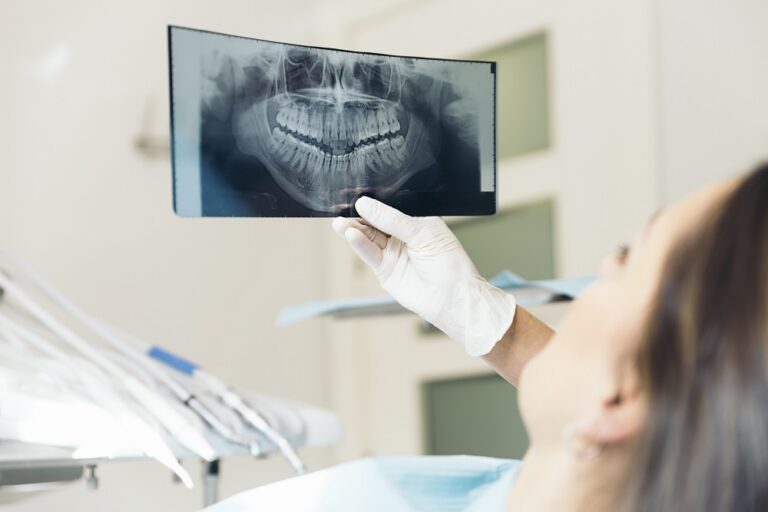
Dental implants have earned their reputation for good reason. When they are planned carefully, placed precisely, and maintained well, they can restore function in a way that feels stable and predictable. Patients often describe the relief of chewing comfortably again, smiling without self-consciousness, and no longer dealing with a loose denture or a failing bridge. But implants are not immune to the biology of the mouth. They live in the same environment as teeth, surrounded by bone, gum tissue, bacteria, bite forces, and habits that can either support long-term health or undermine it quietly over time.
That is where periodontal treatment enters the picture. For many patients, the success of an implant is decided long before the titanium post is placed. The condition of the gums and bone, the history of gum disease, the quality of home care, and the patient’s ability to follow through with maintenance all matter. In practice, some of the most disappointing implant failures are not dramatic surgical problems. They are slower, preventable breakdowns tied to untreated periodontal disease or a lapse in maintenance after the implant is restored.
A dental implant is often described as an investment, and that is not marketing language. It is a real investment of money, time, healing, and trust. Protecting that investment means respecting the role of the supporting tissues around it. Healthy bone and healthy gums are not extras. They are the foundation.
The hidden connection between gum disease and implant failure
People sometimes assume that once a damaged tooth is removed and replaced with an implant, the old periodontal problem disappears with it. That is a dangerous misunderstanding. The bacteria that contribute to periodontal disease do not vanish just because one tooth is gone. The mouth remains a biologic system, and a patient who has lost teeth from gum disease usually carries a higher risk profile than someone who never had periodontal breakdown in the first place.
Implants do not get cavities, but they can develop inflammatory disease in the tissues around them. Early inflammation in the soft tissue is often called peri-implant mucositis. If that inflammation progresses and bone loss follows, the condition becomes peri-implantitis. Clinically, it can look frustratingly familiar: bleeding on probing, deeper pocketing, redness, swelling, sometimes suppuration, and radiographic bone loss. The difference is that implant complications can move quickly once established, especially when plaque control is poor and maintenance is irregular.
I have seen patients who invested heavily in a full implant restoration after years of avoiding dental care because their natural teeth were failing. The surgery went well. The prosthetic result looked excellent. Then they disappeared for two or three years, returned only when something felt loose, and were genuinely shocked to learn that the problem was not the implant screw alone, but inflamed, infected tissue and lost support around multiple implants. These cases are difficult, expensive, and emotionally draining because the patient feels they already “fixed” the problem once. In reality, the biologic risk was never fully addressed.
That is why periodontal treatment should never be treated as a side issue in implant care. It is often the main event.
Why the foundation matters more than the fixture
An implant depends on osseointegration, but long-term success depends on much more than the initial bond between titanium and bone. The implant must function in a mouth that stays healthy enough to support it year after year. If the surrounding gums are inflamed, if plaque accumulates undisturbed, if there is unresolved active periodontal infection elsewhere, the implant is being asked to survive in hostile conditions.
Bone quality and volume matter at the planning stage, of course. A patient with severe periodontal destruction may need extraction, periodontal therapy, site development, bone grafting, or soft tissue grafting before implant placement becomes realistic. That preparation can feel slow to patients who understandably want a fast replacement for a missing tooth. Still, haste in this area is expensive. Rushing into implant surgery when inflammation is uncontrolled is like setting expensive cabinetry on a floor that is still wet and shifting. It may hold for a while, but the risk is built in from the start.
Soft tissue deserves special attention. Thick, stable gum tissue around an implant tends to be easier to clean, more comfortable to brush, and more resistant to recession than thin, fragile tissue. This is one of those details that does not always show up in advertising, yet it often separates a restoration that looks good for a few months from one that remains healthy and presentable for many years. Patients notice this in practical ways. Food traps less. Brushing is less tender. The area feels more natural. These small day-to-day improvements have real value.
When periodontal treatment should happen
Timing is not identical for every patient, but the principle is straightforward: active gum disease should be controlled before implant placement whenever possible. That may involve a deep cleaning, more formally called scaling and root planing, along with close reevaluation. In some cases, surgical periodontal treatment is the better route, especially when deep defects, furcation involvement, or anatomy that traps bacteria make non-surgical therapy insufficient.
The goal is not perfection on paper. Dentistry rarely operates in absolutes. The goal is a stable, maintainable mouth. Bleeding should be reduced. Plaque control should improve. Deep infected pockets should be addressed. The patient should demonstrate that home care can be maintained consistently, not just for a week before an appointment. If smoking is part of the picture, the conversation needs to be direct. Smoking raises the risk of complications for both periodontal healing and implant survival. Some smokers still receive implants successfully, but the risk discussion must be honest and individualized.
There are also cases where a failing tooth with advanced periodontal breakdown cannot be saved and needs extraction before periodontal stability is fully achieved elsewhere. Even then, the larger disease process still requires treatment. Removing one tooth does not solve a generalized condition. The broader periodontal status has to improve if the implant is expected to perform well over time.
Who faces the highest risk
Not every implant patient carries the same level of risk. That is why a brief online summary of “implant care tips” rarely goes far enough. Real treatment planning depends on patterns, habits, and history.
Patients with prior periodontitis deserve particular caution. A history of bone loss around natural teeth often predicts the need for a stricter maintenance program around implants. Diabetes can complicate healing when blood sugar is poorly controlled. Clenching or grinding can overload restorations and make inflammation more damaging. Smoking, dry mouth, irregular recall visits, and poor oral hygiene add to the burden. The prosthetic design matters too. If the crown or bridge is shaped in a way that makes cleaning nearly impossible, even a motivated patient may struggle.
One of the more frustrating scenarios in practice is the patient who wants a premium implant restoration but resists the maintenance plan that goes with it. The restoration may be excellent, yet no amount of material quality can overcome chronic plaque accumulation under a bulky bridge that never gets cleaned properly. This is not a moral failing, and it should not be framed as one. It is a mismatch between the design, the biology, and the patient’s real-world habits. Good clinicians try to spot that mismatch before treatment begins.
What a careful pre-implant periodontal evaluation should cover
Before implant treatment, the periodontal assessment should be thorough enough to identify both current disease and future risk. That includes more than a quick look at the gums. The most useful evaluations usually consider several elements together:
- full periodontal charting, including pocket depths, bleeding, recession, and mobility where relevant
- updated radiographs to assess bone levels, root anatomy, and possible hidden areas of infection
- plaque control patterns and the patient’s actual home care technique
- medical factors such as diabetes, medications, smoking, and previous healing problems
- bite forces, parafunctional habits, and the planned shape and cleansability of the final restoration
This kind of evaluation can feel detailed, but it often prevents expensive surprises. If a site needs grafting, if adjacent teeth have questionable support, or if the hygiene burden of the planned prosthesis will be too high, it is far better to discover that at the beginning than after the implant is already in function.
Periodontal treatment is not one thing
Patients often hear the phrase “periodontal treatment” and imagine a single procedure. In reality, it covers a range of therapies, and the right choice depends on the severity and pattern of disease. For some, treatment begins and ends with non-surgical therapy and improved home care. For others, surgery is necessary https://andersonagvf604.clearhavendigest.com/posts/how-periodontal-treatment-supports-overall-wellness to reduce pocket depth, access difficult root surfaces, regenerate lost support where possible, or improve soft tissue contours around future implant sites.
Maintenance is part of treatment, not an optional afterthought. This point is easy to underestimate. Many implant complications arise not because the initial periodontal treatment failed, but because maintenance was interrupted after things started to look and feel better. That early improvement can create a false sense of security. Bleeding stops, soreness fades, and the patient assumes the disease is gone permanently. Periodontal disease does not behave that way. It is usually managed, not cured in a one-time sense.
A useful comparison is blood pressure. A patient may get it under control, but the control depends on ongoing habits, monitoring, and sometimes periodic adjustment. Gum disease is similar in that respect. Stability can be excellent, but it requires continued participation.
The maintenance phase that protects implants long term
After implants are placed and restored, the maintenance phase becomes the real proving ground. Patients often focus intensely during surgery and then relax once the crown is delivered. Clinically, that is exactly when discipline matters most. The tissues need regular monitoring because inflammation around implants can be subtle in the early stages. A patient may have no pain and still show bleeding, pocketing, or radiographic changes that signal a problem.
Maintenance intervals vary, but many higher-risk patients benefit from periodontal or implant maintenance visits every three to four months rather than twice a year. That schedule is not arbitrary. It reflects how quickly biofilm can mature and how much easier it is to treat early inflammation than advanced peri-implant bone loss.
At home, technique matters more than gadget collecting. An electric toothbrush can help, but only if it is used carefully at the gumline. Interdental brushes are often excellent around implant restorations, especially where floss is awkward or ineffective. Water flossers can be helpful for some bridge designs, though they are generally best used as an adjunct rather than a substitute for mechanical plaque disruption. The exact routine should match the restoration design and the patient’s dexterity.
The maintenance conversation is also a chance to watch for practical warning signs that patients dismiss too easily. A little bleeding when brushing. A bad taste around one implant. A crown that suddenly catches floss differently. Minor puffiness near the gumline. None of those findings confirms failure on its own, but each deserves attention before the situation worsens.
The trade-offs patients should understand before saying yes
Implants are often the right treatment, but they are not automatically the right treatment for every patient or every tooth. When periodontal health is compromised, discussing trade-offs openly leads to better decisions and fewer regrets.
A patient with meticulous hygiene, well-controlled periodontal disease, and strong follow-through may do very well with implants even after significant previous bone loss. Another patient with the same radiographs but poor home care and inconsistent attendance may have a much less favorable outlook. The implant itself is not the whole story. Patient behavior changes the forecast.
There are also design trade-offs. A highly esthetic restoration in the front of the mouth may require tissue grafting or staged treatment that adds time and cost. A simpler design may be easier to clean but less ideal visually. Full-arch implant bridges can be transformative for the right patient, yet they demand serious cleaning commitment and regular professional maintenance. Removable options are less glamorous to some patients, but in select cases they are easier to maintain and therefore more durable in the real world.
This is where professional judgment matters. Good treatment planning is not about selling the most advanced-looking option. It is about matching the treatment to the patient’s biology, habits, expectations, and willingness to maintain it.
When problems show up after the implant is already in place
Not every patient reaches implant placement with ideal periodontal conditions, and not every complication means the case is lost. If inflammation develops around an implant, early intervention can make a meaningful difference. The first step is identifying whether the issue is limited to soft tissue inflammation or whether bone loss is already involved. That distinction shapes the treatment approach.
Mucositis can often improve with better plaque control, professional debridement, and correction of contributing factors such as residual cement or an overcontoured crown. Peri-implantitis is more challenging. Non-surgical treatment alone may help reduce inflammation, but advanced defects often require surgical access, detoxification of the implant surface, and in some cases regenerative procedures. Results are variable, and that uncertainty should be stated clearly. Peri-implantitis treatment can stabilize a site, but it does not always restore the tissue to its original condition.
This is one reason many clinicians are uncompromising about early maintenance. A small amount of preventable inflammation is much cheaper and simpler to handle than an implant with progressive bone loss, a loose restoration, or a failing grafted site.
What patients can do to protect their investment
Patients usually want clear, practical advice, not just theory. The habits that matter most are not flashy, but they work.
- keep periodontal maintenance and implant recall visits on schedule, especially if you have a history of gum disease
- clean the gumline daily with the tools recommended for your specific implant restoration
- report bleeding, swelling, looseness, or changes in the way the implant feels, even if there is no pain
- control smoking and systemic health factors, particularly diabetes
- wear any recommended night guard if you clench or grind
Those five points sound simple because they are simple. The difficulty is consistency. Most implant failures tied to periodontal problems are not caused by one dramatic mistake. They come from small, repeated lapses that accumulate month after month.
Cost, value, and the expense of postponing care
Periodontal treatment sometimes feels like an unwelcome extra cost to patients already preparing for implant work. It helps to reframe that expense accurately. Treating inflammation before implant placement is rarely wasted money. More often, it is risk reduction. It can improve the predictability of surgery, reduce the chance of postoperative complications, and lower the odds of needing corrective treatment later.
Financially, the difference is substantial. The cost of periodontal therapy and maintenance is usually modest compared with the cost of losing an implant, rebuilding the site, waiting for healing, and fabricating a new restoration. There is also the cost that never appears on a treatment estimate: missed work, repeated appointments, discomfort, and the psychological toll of feeling that a major dental decision has gone wrong.
Patients understand this quickly when it is explained in plain language. Spending on the foundation is not duplication. It is asset protection.
The long view
The best implant cases are rarely the fastest ones. They are the cases where the tissues were respected from the beginning, where periodontal treatment was completed when needed, where risk factors were discussed honestly, and where the patient understood that implant care is an ongoing relationship, not a one-time procedure.
That long view changes the entire conversation. The goal is not simply to place an implant that integrates this year. The goal is to help the patient keep healthy, functional, comfortable support for the next decade and beyond. Sometimes that means delaying treatment to gain periodontal stability. Sometimes it means grafting tissue when a shortcut would be easier. Sometimes it means telling a patient that the ideal-looking option on paper is not the wisest option for their actual habits and health profile.
Dental implants can be one of the most satisfying treatments in dentistry. They restore confidence and function in a way few other options can. But they do not succeed in isolation. They depend on healthy, maintainable tissue and a patient who understands the ongoing role of Periodontal Treatment. When that partnership is in place, the investment is far better protected, not just mechanically, but biologically, where long-term success is really decided.
Avra Dental
Address: 1708 S Victoria Ave B, Ventura, CA 93003
Phone number: (805) 941-1001
FAQ About Periodontal Treatment
Can a dentist get rid of periodontal disease?
A dentist or gum specialist (periodontist) cannot fully cure or reverse advanced periodontal disease (periodontitis), but they can successfully stop its progression and manage the infection.
Is periodontitis very serious?
Yes, periodontitis is a very serious, advanced form of gum disease that destroys the bone and tissues supporting your teeth.
How is stage 2 periodontal disease treated?
Stage 2 periodontal disease (early to moderate periodontitis) is primarily treated with non-surgical deep cleaning procedures like scaling and root planing to remove bacteria and tartar below the gumline.