How Emergency Dentist Ventura Clinics Handle Tooth Fractures
@simoncsrr502
November 27, 2026 · 16 min read


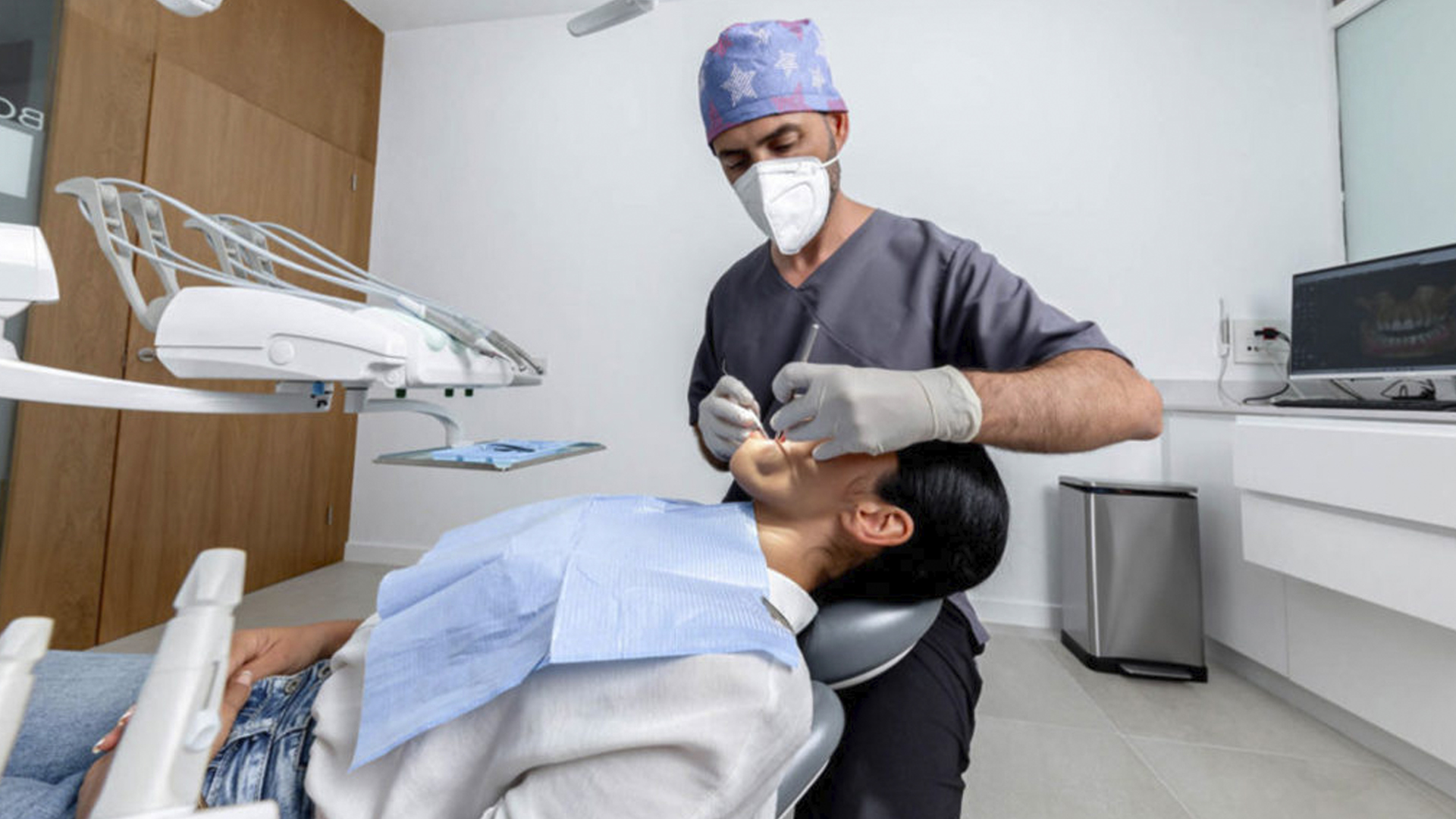
A fractured tooth rarely happens at a convenient time. It starts with a hard bite on an olive pit, a fall during a weekend game, a cycling accident on the coast, or a filling that finally gives way after years of stress. What patients usually notice first is not the diagnosis but the disruption. The tooth suddenly feels sharp against the tongue. Cold water sends a sting into the jaw. Biting becomes tentative. Sometimes there is blood. Sometimes there is no pain at all, which can be misleading.
That mix of uncertainty is exactly why same-day dental care matters. An Emergency Dentist Ventura clinic is set up to sort through the confusion quickly. The job is not simply to “fix a broken tooth.” It is to determine what kind of fracture occurred, whether the nerve or root is involved, whether infection risk is rising, and whether the tooth can be predictably saved. The difference between a small enamel chip and a vertical root fracture is enormous, even if both are described by patients as a cracked tooth.
In practice, emergency treatment for tooth fractures is a blend of triage, pain control, imaging, judgment, and timing. Some teeth are restored in one visit. Others need staged treatment. A few need extraction because keeping them would only prolong pain and cost. Good emergency care is not dramatic. It is methodical, fast where speed helps, cautious where haste can make things worse.
What counts as a tooth fracture in an emergency setting
Patients often use “chipped,” “cracked,” and “broken” interchangeably, but clinics separate them because the treatment path depends on the depth and direction of the damage. A tiny enamel chip on a front tooth may be mostly cosmetic. A fracture that runs into dentin usually causes sensitivity and creates a path for bacteria. A deeper break that reaches the pulp can expose the nerve and lead to severe pain or infection. Root fractures are more complicated still, especially when the crack runs vertically below the gumline.
One useful way to think about fractures is to picture the tooth as a layered structure under load. Enamel is hard but brittle. Dentin has some flexibility but transmits sensation. The pulp contains the nerve and blood supply. Beneath the visible crown, the root anchors the tooth in bone through the periodontal ligament. Damage can stop at the surface or extend through every one of those layers.
That is why two patients can arrive with what sounds like the same complaint and leave with very different plans. One may need a quick smoothing and composite bonding. Another may need root canal therapy followed by a crown. Another may need the tooth stabilized and referred for extraction or specialist care. The emergency visit is where those distinctions become clear.
The first few minutes at the clinic
When a patient comes into an emergency dental office with a suspected fracture, the first task is to establish urgency. If there is facial swelling, uncontrolled bleeding, trauma involving the jaw, or signs that the tooth was displaced, those details change the pace of care immediately. The team also wants to know when the injury happened, whether the patient can close the teeth together normally, and whether there was a blow to the face or simply a biting accident.
Pain patterns offer clues. Sharp pain on release when biting often points toward a crack. Lingering heat sensitivity raises suspicion for pulp inflammation. Constant throbbing can suggest the nerve is already severely irritated or infected. Yet symptoms never tell the full story. Some badly fractured teeth are oddly quiet at first, especially if the nerve has lost vitality or the broken piece is no longer moving.
At this stage, a Ventura emergency dentist will usually ask a few focused questions while the assistant notes medications, medical conditions, allergies, and the patient’s tetanus status if there was facial trauma. This may seem routine, but it matters. A person taking blood thinners, for example, may need a different approach if soft tissue was also injured. Someone with a history of clenching may have contributed to the crack over time, even if the final break happened during lunch.
What patients should do before they arrive
The period between the accident and the appointment can either protect the tooth or make the situation harder. Most clinics give very similar guidance because the priorities are simple: reduce contamination, limit movement, control pain, and avoid additional breakage.
- Rinse gently with lukewarm water to clear debris and blood.
- If there is swelling, use a cold compress on the outside of the face for short intervals.
- Save any broken fragment in a clean container, ideally moist with saline or milk if practical.
- Avoid chewing on that side and do not test the tooth repeatedly.
- Call an Emergency Dentist Ventura office as soon as possible, especially if the tooth is loose, painful, or visibly split.
A common mistake is assuming that if pain fades after an hour, the problem has settled down. In reality, fractured teeth often worsen quietly. Small cracks can propagate under chewing forces. Exposed dentin can become contaminated. A tooth that is restorable on the day of injury can become far more complicated if a patient waits several weeks.
Examination is more than just “looking at it”
Once the patient is seated, the clinical exam begins with direct visualization, but experienced dentists do much more than inspect the obvious break. They dry the area thoroughly because cracks often hide in moisture. They examine the gumline for isolated deep pockets that could suggest a root fracture. They check mobility, percussion tenderness, and the patient’s bite. They may use transillumination, where a bright light passed through the tooth can reveal fracture lines that are difficult to see otherwise.
Bite tests are particularly useful. A patient may be asked to bite gently on a cotton roll or a specialized tool on one cusp at a time. Pain when pressure is released can indicate a crack segment flexing apart. This is one of those small details that can reveal more than a casual glance ever could.
Radiographs are almost always part of the workup, although patients are sometimes surprised when an X-ray does not show the full crack. That is because many fractures run in planes that standard radiographs do not capture well. Imaging is still essential. It helps detect pulp involvement, root shape, surrounding bone changes, displacement, and whether a fragment extends below the gumline. In more complex trauma cases, some clinics will recommend three-dimensional imaging if the findings will alter treatment.
Pulp testing may also be performed, especially if the tooth is intact enough to assess vitality. Results must be interpreted carefully after trauma because the nerve can be temporarily stunned. A tooth that does not respond immediately is not automatically nonvital. This is one reason follow-up matters even after successful emergency treatment.
The main fracture patterns clinics see
Emergency appointments tend to cluster around a few recurring scenarios. Chipped front teeth are common in sports injuries, falls, and minor collisions. These often alarm patients because they are visible, but many are manageable if the fracture is confined to enamel or shallow dentin. Posterior teeth fracture more often from biting forces, large old fillings, decay undermining the tooth, or parafunctional habits like grinding.
Clinically, the fracture may present as a clean chip, a cusp that has broken off a molar, a crack line running through the crown, or a split tooth where separate segments move independently. The farther the fracture extends toward or below the gumline, the more difficult long-term restoration becomes.
There is also an important difference between a single traumatic event and a structural failure that has been developing for years. A tooth with a large existing filling, recurrent decay, and repeated stress may fracture with very little force. In those cases, the emergency visit addresses the acute break, but the underlying message is that the tooth had been losing structural reserve for some time.
How treatment decisions are made on the same day
Most emergency dentists are weighing three questions at once. Can the tooth be saved? Can the patient be made comfortable today? And what treatment has the best chance of lasting, not just patching the issue until it fails again?
For a small chip with no nerve involvement, the answer may be straightforward. The rough edge is smoothed and the missing portion rebuilt with bonding material that matches the surrounding tooth. This can often be done in one visit and gives immediate cosmetic relief, especially for anterior teeth.
A fractured cusp on a premolar or molar often requires a more protective approach. If enough healthy tooth remains and the break does not invade the pulp, the dentist may place a bonded restoration or a temporary protective build-up, then recommend a crown. This is a common pattern in emergency care. The first visit stabilizes the tooth and reduces sensitivity. The definitive restoration follows after the dentist is sure the tooth is structurally sound and the pulp is behaving normally.
When the fracture reaches the pulp, things change. If the nerve is exposed or irreversibly inflamed, root canal treatment may be necessary before the tooth can be rebuilt. Some clinics can start that treatment on the emergency visit, especially when pain is significant. Others may place https://danteusmz638.wpsuo.com/emergency-dentist-ventura-common-causes-of-sudden-dental-pain a sedative dressing or protective restoration, prescribe appropriate medications if needed, and arrange prompt endodontic follow-up.
Split teeth and vertical root fractures are the most difficult conversations. If the crack extends deep below the gumline or through the root in a way that cannot be sealed or restored predictably, extraction may be the most honest recommendation. Good emergency dentistry includes knowing when not to promise salvation for a tooth with poor prognosis. Patients appreciate directness when it is paired with a plan, whether that plan is temporary replacement, implant consultation, or another restorative option.
Pain control and short-term stabilization
Relieving pain is a large part of the emergency visit, but pain control works best when it addresses the cause. A jagged enamel edge irritating the tongue is solved by smoothing. A mobile fragment hurts less once it is stabilized or removed. A pulp exposure often settles only when the nerve is protected or treated.
Local anesthesia is usually the first line, and effective anesthesia makes it possible to assess and treat the tooth without adding trauma. After the procedure, dentists typically guide patients toward anti-inflammatory pain management when medically appropriate. Antibiotics are not routinely needed for every fracture, which is an important point. They may be indicated when there is active infection, significant contamination with soft tissue injury, or other specific findings, but they do not mend a crack.
Temporary coverings are another practical tool. A dentist may place a protective material over exposed dentin, especially if a definitive restoration is not feasible that day. This buys time, reduces sensitivity, and lowers the risk of bacterial ingress. Temporary does not mean optional, though. A sealed, comfortable tooth still needs follow-up before the temporary material fails or the crack deepens.
When front teeth are involved
Fractured front teeth carry a different kind of urgency. Even a small chip can affect speech, self-consciousness, and work. In Ventura, where many people spend time outdoors, in public-facing jobs, or in close social settings, visible dental trauma tends to feel especially disruptive. Emergency clinics understand that restoring appearance is not vanity. It is part of restoring normal function and confidence.
The challenge with front teeth is balancing esthetics with biological caution. Bonding can produce beautiful same-day results when the fracture is uncomplicated. If the break is large or close to the nerve, the dentist may need to prioritize pulp protection and long-term stability first. Shade matching, edge translucency, and contour matter, but so does preserving enough structure for a restoration that will hold up.
There is also a timing issue after trauma. Teeth that have been hit can change color later if the nerve is damaged. A front tooth that looks stable on the day of the emergency may still require monitoring, repeat vitality testing, or later root canal therapy. This is why good clinics talk honestly about what they know today and what still needs to be watched.
Molars, premolars, and the hidden problem of bite forces
Back teeth are less visible but often more complex. They absorb heavy forces and are frequently restored already. A molar with an old silver filling or a large composite can fracture along weakened cusps, leaving patients suddenly unable to chew on one side. In these cases, emergency care often focuses on removing unsupported tooth structure, checking whether the crack enters the pulp chamber, and deciding whether the remaining tooth can support a crown.
One of the more frustrating scenarios is the “mystery crack” in a molar that hurts only when chewing certain foods. Patients may report weeks of fleeting pain with no obvious cavity, until one day a piece finally breaks off. Once the segment separates, the diagnosis becomes easier, but the prognosis depends on how far the fracture traveled before becoming visible.
Dentists also look for occlusal factors. If a patient grinds at night or has a heavy bite on the fractured tooth, the final treatment may include a night guard or bite adjustment. Otherwise, even a beautifully restored tooth can be overloaded again.
Cases that need more than one visit
Emergency care is often the first chapter, not the entire story. A tooth may be stabilized and comfortable, yet still need definitive work after the immediate problem is controlled. This is common and should not be mistaken for incomplete treatment. It is simply the safest sequence.
The reasons vary. Sometimes the gum tissue is too inflamed on day one to place an ideal final restoration. Sometimes a tooth’s nerve status is uncertain and needs re-evaluation after several weeks. Sometimes the patient arrives in severe pain late in the day, and the priority is to stop symptoms and protect the tooth until a longer treatment appointment can be scheduled.
The handoff from emergency management to definitive care is where strong clinics distinguish themselves. Patients should leave knowing what was done, what remains unresolved, what symptoms deserve a call back, and how soon the next appointment should happen. Ambiguity causes trouble. A temporary fix with no clear plan tends to become a neglected problem.
Warning signs after the visit
Even successful emergency treatment needs monitoring. Patients should be advised to call back promptly if certain symptoms appear or intensify.
- Swelling in the gums, face, or jaw
- Pain that escalates instead of gradually easing
- Fever, foul taste, or drainage near the tooth
- A temporary restoration that loosens or falls out
- A bite that suddenly feels high or uneven after treatment
These warning signs do not always mean failure, but they do mean the situation deserves a recheck. A tooth can change quickly in the days after trauma, especially if the pulp was already stressed.
What clinics mean when they say a tooth is “savable”
Patients often hear the phrase “we can probably save it,” but that statement includes several layers of judgment. Saving a tooth is not just about keeping it in the mouth for another month. It means retaining a tooth with enough healthy structure, periodontal support, and strategic value to justify the treatment. A tooth may be technically restorable yet still be a poor long-term investment if the crack pattern is unfavorable or the remaining root is compromised.
This is where experience matters. A cautious emergency dentist will resist overtreatment when prognosis is weak, but also avoid unnecessary extraction when a tooth has a realistic path forward. That middle ground requires reading the fracture line, the bite, the radiographs, the patient’s symptoms, and the restorative possibilities together, not in isolation.
An older patient with a shallow cusp fracture and a stable bite may do very well with a crown. A younger patient with a deep vertical fracture extending below bone likely faces extraction despite having an otherwise healthy mouth. Neither outcome is a reflection of effort or oral hygiene alone. Fractures are mechanical events shaped by anatomy, force, prior dental work, and sometimes pure bad luck.
Why timing changes outcomes
There is a practical reason emergency dentists push patients to come in early. Small fractures tend to be cleaner, easier to seal, and less likely to have contaminated the pulp. Once a broken edge starts flexing under chewing pressure, the crack can extend. Once bacteria track deeper into dentin or pulp, treatment becomes more invasive. Once a fragment breaks below the gumline, restoration gets harder and prognosis drops.
I have seen versions of the same case go in opposite directions based on timing alone. The patient who comes in the day after a molar cusp snaps off often leaves with the tooth stabilized and a straightforward plan for a crown. The patient who waits a month, continues chewing on it, and uses the other side only when it hurts may return with pulpal pain, a deeper split, and fewer options. Same tooth, different timing, different future.
That is the core of how an Emergency Dentist Ventura clinic handles tooth fractures. The visit is not only about the damage already visible. It is about stopping the fracture from becoming a larger biological and structural problem.
The practical standard patients should expect
A good emergency dental clinic should provide more than a quick patch. Patients should expect a careful exam, appropriate imaging, a plain-language explanation of the fracture type, realistic options with trade-offs, pain control, and a clear next step. If the tooth can be restored that day, excellent. If not, the temporary management should still serve a purpose and be tied to a definite follow-up plan.
What patients often remember most is not the exact material used or the name of the fracture. They remember whether they felt heard, whether the pain eased, whether the plan made sense, and whether the dentist was honest about uncertainty. Tooth fractures sometimes reveal themselves fully only over time. The best emergency care respects that uncertainty without becoming vague or indecisive.
Handled well, many fractured teeth recover with good function and appearance. Handled late, or handled with false reassurance, they become bigger problems than they needed to be. That is why emergency dental care for fractures is less about dramatic rescue and more about skilled early judgment, steady hands, and timing that favors the tooth before the situation worsens.
Avra Dental
1708 S Victoria Ave B, Ventura, CA 93003, United States
Phone: +1 805-765-3206
FAQ About Emergency Dentist Ventura
Can the ER do anything for tooth pain?
An emergency department can assess serious symptoms and provide temporary relief, but definitive dental treatment usually requires a dentist. Trouble breathing or swallowing, uncontrolled bleeding, or swelling spreading into the neck requires emergency medical care.
What do I do if I have a dental emergency and no dentist?
Contact a local emergency dental practice promptly, explain your symptoms, and ask about the earliest available assessment. Avra Dental provides emergency dentistry in Ventura; call to confirm availability. If you have life-threatening symptoms or a serious facial injury, go to an emergency department or call 911.
What do I do if tooth pain is unbearable?
Seek urgent dental assessment rather than waiting for the pain to pass. While arranging care, gently rinse with warm water and avoid placing aspirin directly on the tooth or gums. Severe pain with trouble breathing or swallowing, rapidly spreading swelling, or uncontrolled bleeding needs immediate emergency medical care.