Emergency Dentist Ventura Care for Dental Emergencies During Travel
@simoncsrr502
November 27, 2026 · 15 min read
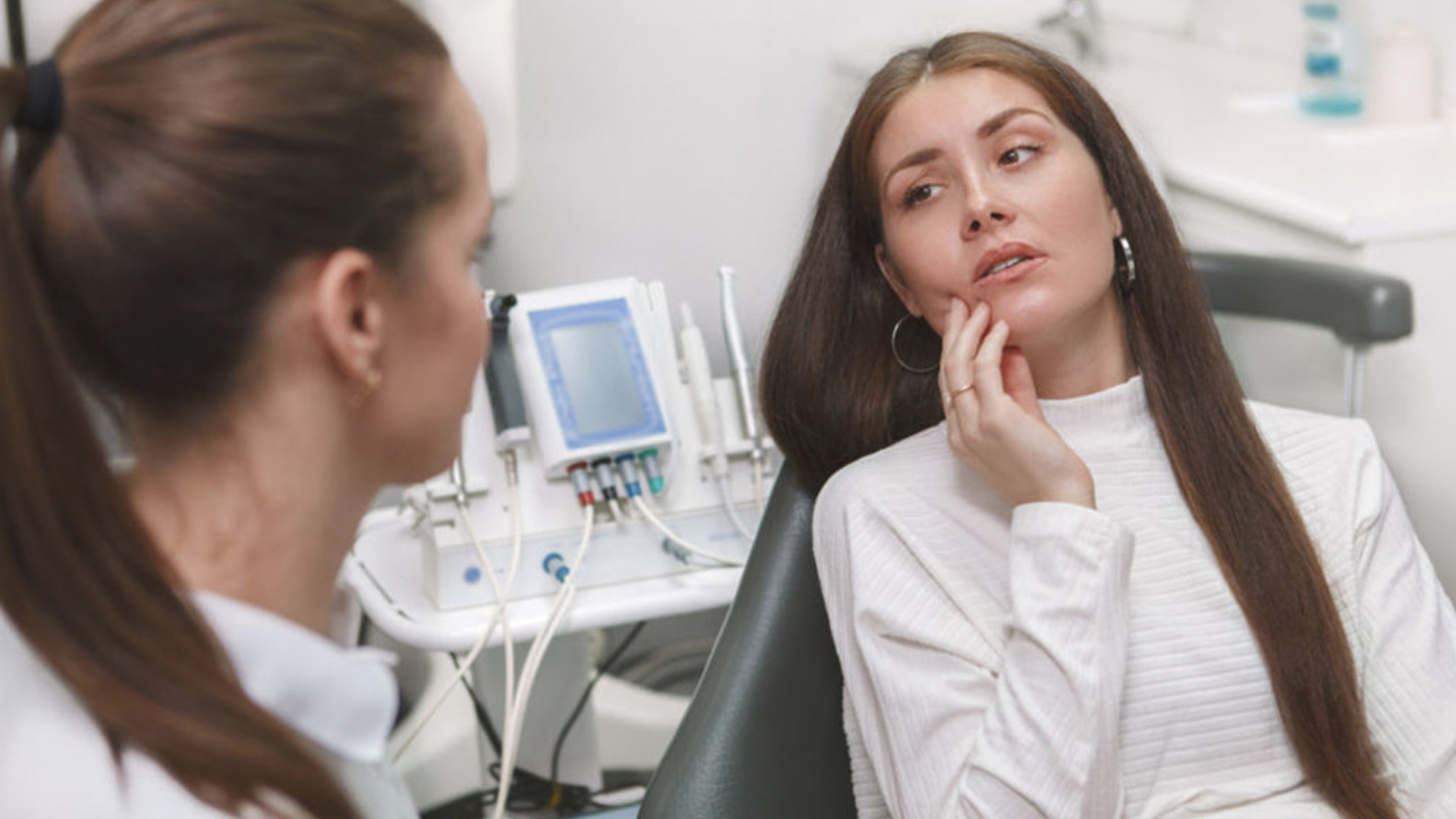
Travel has a way of magnifying small problems. A dull toothache that feels manageable at home can become miserable halfway through a coastal drive, during a family beach weekend, or the night before a flight out of town. Dental emergencies rarely wait for a convenient moment, and when they happen away from your regular dentist, people tend to feel two things at once: pain and uncertainty.
That uncertainty matters. Many travelers are not sure whether they need urgent care, whether an emergency room can help, or whether they should wait until they get home. In practice, timing often shapes the outcome. A cracked crown might be stabilized with relatively simple treatment if addressed quickly. The same problem can turn into a deep fracture, nerve pain, or infection after a day or two of chewing on it. A knocked-out tooth is even more time-sensitive, where minutes count more than most people realize.
Ventura is the kind of place people visit for a break, not for a dental surprise. Yet emergencies happen here for ordinary reasons. Someone bites into a hard taco shell and fractures a filling. A child takes an elbow during a hotel pool game and chips a front tooth. A traveler who ignored a mild toothache during the drive arrives with facial swelling by evening. In each case, access to an Emergency Dentist Ventura patients and visitors can reach quickly becomes less of a convenience and more of a necessity.
Why travel-related dental emergencies feel different
At home, people usually know where to go. They may have their dentist’s number saved, know their medical history, and have access to familiar pharmacies. On the road, the same situation feels much harder. You may not know which office handles urgent visits, what your insurance covers out of network, or whether your pain is serious enough to interrupt plans.
There is also a practical issue many travelers underestimate: timing around meals, lodging, and transportation. If you are staying in Ventura for only a short time, a dental problem can force quick decisions. Should you seek care immediately and risk changing reservations, or wait and hope the pain settles down? In my experience, people usually regret waiting when there is persistent pain, visible damage, swelling, or bleeding that does not stop.
The mouth does not give much room for denial. Even a “small” problem can interfere with eating, sleeping, speaking, and staying hydrated. That is part of what makes emergency dentistry during travel unique. The goal is not always a full, permanent restoration in one visit. Often, the first priority is to get you out of pain, control infection, stabilize the tooth, and protect your ability to travel safely.
What counts as a true dental emergency
Not every dental issue needs same-day treatment, but many do. The distinction is important because people tend to swing between two extremes. Some minimize serious symptoms. Others rush into panic over problems that, while uncomfortable, can wait a day or two.
A true emergency usually involves significant pain, trauma, swelling, bleeding, or a risk of losing a tooth. A crown that fell off without pain is urgent, but not usually life-threatening. A broken tooth with exposed nerve pain, facial swelling, fever, or difficulty swallowing is much more serious. If there is trauma to the jaw, uncontrolled bleeding, or any concern about breathing, that crosses into medical emergency territory and may require an emergency room in addition to dental care.
The situations that most often justify urgent attention from an Emergency Dentist Ventura provider include the following:
- A severe toothache that does not improve, especially if it keeps you awake or makes it hard to eat.
- A knocked-out, loose, or visibly displaced tooth after an accident or impact.
- Swelling in the gums, face, or jaw, particularly when paired with fever or a bad taste from drainage.
- A broken tooth, lost filling, or lost crown that leaves sharp edges, intense sensitivity, or exposed inner tooth structure.
- Bleeding in the mouth that continues after pressure, or injury to the lips, tongue, or gums that may need prompt care.
What matters is not just the diagnosis, but the pattern. Pain that escalates over several hours, swelling that spreads, or a bite that suddenly feels “off” after trauma are all signs that the problem should not be postponed.
Common problems travelers run into in Ventura
Ventura’s attractions lend themselves to active days. That is wonderful until a routine vacation activity turns into an urgent dental call. Beach sports, cycling, road snacks, restaurant meals, and packed schedules all create opportunities for dental problems that might not happen during a normal workweek.
One recurring issue is biting injury. People often break teeth on foods they do not expect, such as olive pits, hard bread crusts, ice, tortilla chips, or candy picked up from a souvenir shop. Many adults already have older fillings or crowns, and travel changes eating patterns. More frequent snacking, dehydration, alcohol, and disrupted sleep can increase clenching and grinding, which sometimes pushes a stressed tooth past its limit.
Another common problem is latent infection becoming acute. Someone starts the trip with mild sensitivity to cold or pressure. After a day or two, the pain intensifies, especially at night. That pattern often points to inflammation inside the tooth, sometimes from decay, a cracked tooth, or a failing restoration. Travel itself did not cause the problem, but it exposed it.
Then there is trauma, particularly among children and younger adults. Front tooth injuries happen at beaches, parks, and sports courts. A chipped incisor may be mostly cosmetic, but a deeper fracture can involve the nerve or root. The appearance of the tooth can distract from the real issue, which is preserving long-term vitality and stability.
What to do in the first 30 minutes
People often do the Emergency Dentist Ventura wrong thing in a rush. They rinse with something too harsh, place aspirin directly on the gums, or handle a knocked-out tooth in ways that reduce the chance of saving it. The first half hour matters because simple steps can limit damage.
If you have a toothache, gently rinse with warm water and floss around the painful area in case food is trapped. That sounds basic, but I have seen pressure pain improve quickly when something as simple as a popcorn hull is removed. Do not place aspirin against the gum tissue. It can burn the tissue and does nothing to solve the source of the pain. Use an oral pain reliever only as directed, and apply a cold compress on the outside of the face if swelling is present.
If a crown or filling comes out, keep the piece if you can find it. Sometimes it can help the dentist assess fit or damage. Avoid chewing on that side. Teeth that lose restorations are often more fragile and sensitive than they look.
If a tooth is knocked out, hold it only by the crown, not the root. If it is dirty, rinse it briefly with clean water without scrubbing. If possible, gently place it back in the socket and hold it there with light pressure. If that is not possible, store it in milk or inside the cheek if the person is alert and old enough to do that safely without swallowing it. Then seek immediate dental care. This is one of the few dental scenarios where every minute truly counts.
How an emergency dental visit usually works when you are from out of town
Travelers sometimes imagine that emergency dentistry means a long, complicated process. In reality, an urgent visit is often more focused than a regular checkup. The office needs to identify the source of the problem, relieve pain, prevent the situation from worsening, and create a workable plan based on your travel timeline.
That begins with a short history. When did the pain start? Is it sharp, throbbing, or triggered by cold? Was there trauma? Are you on blood thinners or antibiotics? Even in an emergency, these details shape treatment. A sharp pain on biting suggests something different from a diffuse ache with swelling. Recent dental work matters too. A tooth treated a week ago and now flaring up raises a different set of possibilities than a tooth that has not been examined in years.
After an exam and likely X-rays, treatment may be definitive or temporary. That distinction is especially relevant for visitors. If the issue is a cleanly dislodged crown and the tooth underneath is sound, it may be possible to recement it then and there. If the problem is an abscessed tooth and you are flying home in 36 hours, the dentist may focus on drainage, medication when appropriate, and pain control, with a referral for follow-up back home. If the pain comes from an irreversibly inflamed nerve and there is enough time, a same-day root canal may be the best solution. Judgment matters here. Good emergency care is not just about speed, but about choosing the option that fits the clinical picture and the patient’s circumstances.
Temporary fixes help, but they have limits
Pharmacies and travel kits often carry products marketed for dental relief. Some have value. Temporary filling material, orthodontic wax, and desensitizing gels can reduce discomfort. They are not a substitute for treatment, but they can make the hours before your appointment more tolerable.
The danger is using temporary products to justify delay. A cracked molar with pain on chewing can quiet down for a day after a temporary patch, then split further during the next meal. A lost crown may seem harmless until the exposed tooth shifts or becomes too sensitive to tolerate cold air. Even clove oil, a classic home remedy, can numb symptoms while the underlying infection progresses.
A practical rule is this: if the problem affects your ability to eat, sleep, or function normally, or if you see swelling, bleeding, or visible structural damage, home care is just a bridge. It is not the answer.
Insurance, payment, and the reality of urgent care on the road
This is often the least glamorous part of a dental emergency, but it matters. Travelers are commonly unsure whether they can be seen without local records, whether out-of-network care will be reimbursed, or whether treatment has to wait for authorization. Most emergency dental offices can see new patients without prior history, especially for urgent problems. Administrative details are usually handled alongside clinical triage, not before it.
Insurance plans vary widely. Some cover emergency exams and X-rays with standard cost-sharing, even outside your home area. Others reimburse later rather than paying the office directly. If you are traveling, it helps to save receipts, treatment notes, and radiographs if offered. That makes follow-up with your regular dentist easier and supports any reimbursement claim.
The more important point is that delaying care over uncertainty can cost more in the end. A recemented crown is usually simpler than a crown that falls off, decays underneath, and later needs root canal therapy. A draining infection is easier to manage than one that leads to facial cellulitis. Cost matters, but so does escalation.
When the emergency room is the right place
People often ask whether they should go to the ER for a dental problem. The answer depends on what is happening outside the tooth itself. Emergency rooms are not designed to do routine dental procedures like fillings, crown recementation, or root canals. They can, however, be the right setting when a dental issue becomes a broader medical problem.
If there is rapid facial swelling, difficulty breathing, difficulty swallowing, trauma involving the jaw or head, uncontrolled bleeding, or high fever with significant illness, emergency medical care is appropriate. In those cases, the concern is not just the tooth. It is the spread of infection, airway compromise, fracture, or systemic involvement. For isolated tooth pain without those red flags, an Emergency Dentist Ventura office is usually better equipped to solve the actual dental cause.
A short travel story that captures the pattern
A scenario I have seen in variations many times goes like this: a visitor arrives for a long weekend, having felt “a little sensitivity” in a lower molar for a month. The first day is busy, with coffee in the morning, cold drinks in the afternoon, and a late dinner. That night the tooth starts throbbing. By the next morning, chewing is impossible on that side. By evening, there is swelling under the jawline.
At that point, people usually wish they had acted sooner, but not because they made a foolish decision. They did what most people do. They hoped it would pass. What changes the outcome is seeing the progression clearly. Mild, occasional sensitivity is one thing. Pain that becomes spontaneous, prolonged, or worse when lying down is a different category. Once swelling enters the picture, the stakes rise quickly.
The takeaway is not fear. It is timing. Travel compresses time. A problem that might feel manageable over a normal week at home becomes far more disruptive when every hour affects reservations, family plans, and your trip back.
How to prepare before you travel, especially if you already suspect trouble
The best emergency visit is the one you never need. That does not mean every traveler should schedule a dental exam before leaving town, but it does mean paying attention to warning signs before a trip. If a tooth has been bothering you, if a crown feels loose, or if you are putting off treatment for a cavity or cracked filling, travel is rarely the moment when it improves.
Before a trip, a little planning goes a long way:
- Pack a small dental kit with floss, a soft toothbrush, pain reliever, orthodontic wax, and temporary dental repair material.
- Save the contact information for your home dentist and note any recent dental work that may become relevant.
- If you have active symptoms, get examined before you leave rather than hoping the issue stays quiet.
- Check whether your dental plan has out-of-network emergency benefits and how claims are submitted.
- For sports or high-impact activities, bring a properly fitted mouthguard rather than relying on a generic one from a store.
This kind of preparation is not dramatic, but it is effective. Most travel dental crises are not completely random. They often begin as known weaknesses that become impossible to ignore at the wrong time.
What good emergency care should feel like
When people are in pain, they remember the details of how they were treated. Technical skill matters, but so does communication. A good urgent dental visit should leave you understanding three things: what is most likely wrong, what was done today, and what happens next.
That might sound simple, yet it is where many bad experiences start. Patients leave with numbness, a temporary restoration, and no clear sense of whether they can eat dinner, board a flight, or wait a week for follow-up. Strong emergency care is practical. It addresses immediate pain and function while being honest about limitations. If treatment is temporary, you should know why. If a tooth may still need root canal therapy or extraction later, that should be stated plainly.
For travelers, this clarity is even more important. You may be returning home in a day or two. You need records you can carry, advice that fits your schedule, and instructions that recognize real-world constraints.
The practical side of recovery while away from home
Once the immediate problem is treated, small decisions affect comfort. Food choice matters. After dental trauma or temporary treatment, soft foods are usually easier for a day or two. Hydration helps more than most people think, especially if you have been breathing through your mouth from stress or pain. If you received anesthesia, avoid chewing until numbness wears off. If you were treated for infection or significant inflammation, follow medication instructions exactly and do not stop early because symptoms improve.
Travel adds one more wrinkle: pressure changes, long drives, and disrupted sleep can all make a recently treated tooth feel more noticeable. That does not always mean something is wrong. Teeth and surrounding tissues can stay tender after emergency treatment, particularly if the area was infected or traumatized. The key is trend. Mild soreness that improves is expected. Increasing pain, new swelling, or fever is not.
Finding the right help in Ventura when every hour counts
When searching for an Emergency Dentist Ventura visitors can rely on, speed matters, but so does scope. Not every office that can schedule a quick exam is equipped for same-day extractions, root canal treatment, trauma management, or complex restorative repair. If you are calling around, explain the exact problem. “I have a toothache” is less useful than “I have severe pain with swelling on the lower right,” or “My front tooth was knocked loose in a fall an hour ago.” Specifics help staff triage appropriately.
Ask whether the office sees emergency walk-ins or same-day urgent cases, what records you should bring if you have them, and whether they can manage your likely problem on site. That last point is especially useful if you emergency root canal Ventura are balancing childcare, transportation, or a return flight.
Travel is supposed to be memorable for the right reasons. When a dental problem interrupts it, the situation feels personal very quickly, because pain in the mouth affects nearly every part of the day. The good news is that timely care often turns a frightening moment into a manageable detour. The right response is not panic, and it is not denial. It is prompt, informed action, especially when symptoms point to a problem that will not wait.
Avra Dental
1708 S Victoria Ave B, Ventura, CA 93003, United States
Phone: +1 805-765-3206
FAQ About Emergency Dentist Ventura
Can the ER do anything for tooth pain?
An emergency department can assess serious symptoms and provide temporary relief, but definitive dental treatment usually requires a dentist. Trouble breathing or swallowing, uncontrolled bleeding, or swelling spreading into the neck requires emergency medical care.
What do I do if I have a dental emergency and no dentist?
Contact a local emergency dental practice promptly, explain your symptoms, and ask about the earliest available assessment. Avra Dental provides emergency dentistry in Ventura; call to confirm availability. If you have life-threatening symptoms or a serious facial injury, go to an emergency department or call 911.
What do I do if tooth pain is unbearable?
Seek urgent dental assessment rather than waiting for the pain to pass. While arranging care, gently rinse with warm water and avoid placing aspirin directly on the tooth or gums. Severe pain with trouble breathing or swallowing, rapidly spreading swelling, or uncontrolled bleeding needs immediate emergency medical care.